In the vibrant business field of Tucson, where offices, shops, and warehouses dot the desert heat, a reliable, efficient roofing system is non-negotiable. Warehouse roof repair and maintenance are particularly demanding, as these structures often house sensitive equipment and operations. The challenge intensifies with the presence of rooftop HVAC units, drains, and parapet walls, each requiring specialized attention.
The problem is clear: standard roofing practices may not adequately address these unique features, leading to leaks, damage, and costly repairs. Our guide offers a comprehensive solution, providing expert insights into navigating the complexities of these installations. We'll explore effective strategies for warehouse roof repair, ensuring longevity and efficiency, and ultimately, minimizing downtime for Tucson businesses.
- Assessing Warehouse Roof Damage Around HVAC Units
- Safe Access and Preparation for Repairs
- Replacing and Securing HVAC Units and Drains
- Restoring and Reinforcing Parapet Walls
Assessing Warehouse Roof Damage Around HVAC Units
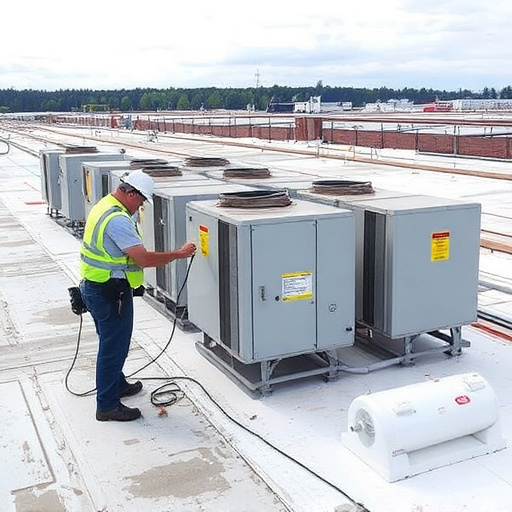
Assessing Warehouse Roof Damage Around HVAC Units
In the arid climate of Tucson, commercial buildings, particularly warehouses, face unique challenges in roof maintenance, especially for rooftop HVAC units, drains, and parapet walls. These structures are not only critical for the building's functionality but also require meticulous care to prevent costly repairs and ensure safety. When damage occurs around HVAC units, proper assessment is important to decide between costly replacement or effective repair.
One common issue is grease buildup on restaurant roofs, which can lead to leaks and extensive damage. Silicone roof coatings offer a durable solution, providing a protective barrier that repels grease and water, extending the life of the roofing system. A licensed Arizona roofer might recommend applying a silicone coating over a built-up roof to protect against grease damage, especially in areas with high traffic from delivery trucks. This method is not just effective but also cost-efficient, as it can delay the need for a full roof replacement.
parapet walls, which often surround HVAC units, require regular inspection and maintenance. Leaks in these walls can result in substantial water damage inside the building, leading to costly repairs. A comprehensive commercial roof maintenance plan should include regular checks of scuppers (drainage systems) and parapet walls, ensuring proper drainage and preventing leaks. A multi-building contract for a property management company in Oro Valley should account for the unique needs of each structure, including the assessment and repair of HVAC units and parapet walls.
Safety is paramount when working on roofs, especially over occupied buildings. Implementing solid fall protection measures, such as guardrails and safety nets, is essential to safeguard workers. These precautions are not just regulatory requirements but also important for preventing serious injuries and ensuring the longevity of the roofing project. By integrating these safety practices into warehouse roof repair and maintenance, Tucson-based contractors can ensure the well-being of their teams and the integrity of the buildings they serve.
Safe Access and Preparation for Repairs
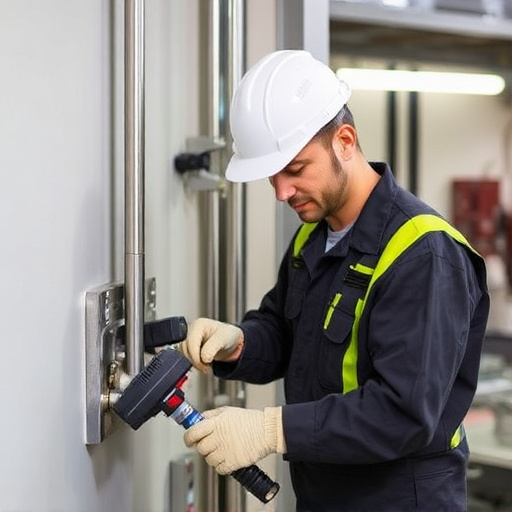
In the bustling commercial districts of Northwest Tucson and Downtown Tucson, warehouse roof repair is a critical yet often overlooked aspect of building maintenance. When addressing roof issues around rooftop HVAC units, drains, and parapet walls, safe access and thorough preparation are paramount. An experienced Tucson roof specialist recommends a multi-step approach to ensure these repairs are executed efficiently and safely.
First, assess the accessibility of the roof area. In a warehouse setting, this may involve planning for the temporary relocation of machinery or stock to create a clear work zone. If the repair involves the scupper or roof drain, ensuring the area around them is clear of obstructions is important to prevent trip hazards and allow for easy access. In modified bitumen roofing, where large sections may need to be removed, proper safe work practices, including fall protection equipment, should be in place. Downtown Tucson, with its dense urban field, demands meticulous planning to minimize disruption to businesses below.
Next, conduct a thorough inspection of the roof and its components. This includes checking for damage caused by grease from restaurants, curbs from HVAC units, or leaks that could have affected the integrity of the structure. In older buildings, the roof may have been constructed with built-up or coated roofs, each requiring specific repair techniques. A TPO roof, popular for its durability, may need to be fully removed and replaced if damaged, while a silicone or acrylic coating might be repaired with specific products designed for these materials. The expert suggests documenting these findings to help in budgeting and planning for the scope of work.
Once the assessment is complete, develop a detailed plan for the repair. This plan should include timelines, material requirements, and budget estimates. For a warehouse roof repair, the contractor may propose a temporary roofing solution to ensure business continuity during the primary repair process. In some cases, such as a metal building retrofit, the repair might be an opportunity to enhance energy efficiency by incorporating new insulation or ventilation systems. An effective maintenance plan, tailored to the specific needs of each building, will also be discussed to prevent future issues.
Replacing and Securing HVAC Units and Drains
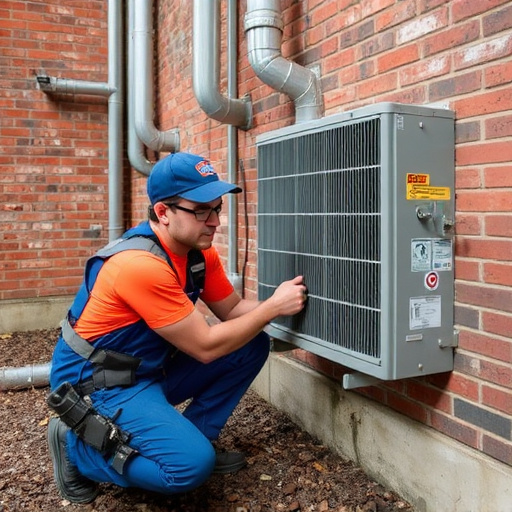
In warehouse districts like Downtown Tucson, where large structures often house multiple tenants, efficient and secure roofing around rooftop HVAC units and drains is paramount. When replacing or securing these critical components, a Tucson roofer with an Arizona ROC license brings expertise tailored to the unique challenges of commercial flat roofs.
One of the most common issues in warehouse roof repair is ponding water, which can lead to structural damage and compromise the integrity of the building. It often results from improper slope or drainage issues, especially with older PVC membrane roofs. A skilled contractor will assess the roof's slope and drainage system, making necessary adjustments to ensure water flows away from the building effectively. They might install additional scuppers or drains to handle increased water flow, preventing water from pooling and causing damage.
when dealing with rooftop HVAC units, careful consideration is essential. These units can be substantial, placing significant strain on the roof structure. A roofer will use specialized techniques to secure them firmly, minimizing movement that could lead to leaks. In some cases, this might involve reinforced pans or custom-designed mounting systems, ensuring the HVAC unit is secure and the roof remains intact. This is especially important in Downtown Tucson, where older buildings may have less solid roof framing, making proper securing a priority.
Regular inspections and maintenance are key to preventing major issues. A Tucson roofer can implement a comprehensive commercial roof maintenance plan, including regular checks of HVAC units, drains, and parapet walls. They might identify signs of corrosion in metal components or leaks around the units, addressing them before they cause further damage. This proactive approach not only extends the life of the roof but also offers peace of mind for building owners and tenants.
Restoring and Reinforcing Parapet Walls
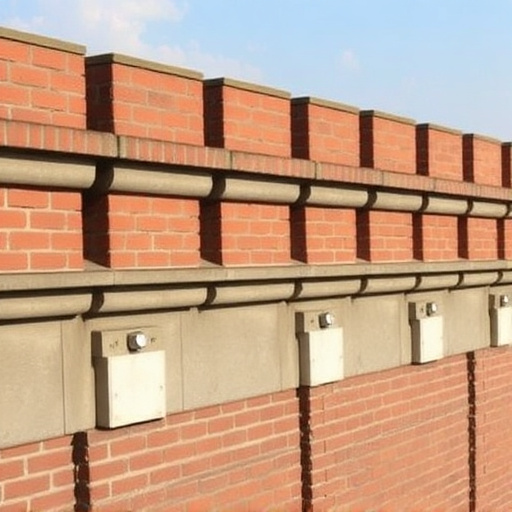
Parapet walls, those vertical barriers that line the edges of rooftops, play an important role in protecting buildings in Tucson's hot desert climate. They prevent water runoff from eroding the structure, shield against strong winds, and, in many cases, serve as a critical component in the building's overall drainage system. However, these walls often bear the brunt of environmental damage and wear and tear, leading to leaks and structural weakness. This is especially true for older buildings in Pima County, where built-up roofing, a common material, can degrade over time.
Restoring and reinforcing these walls is a vital part of any commercial roof repair, particularly in the case of warehouses with extensive flat roofs. DC Roofing of Arizona, a licensed Tucson roofing contractor, often encounters parapet wall issues like cracks, corrosion, or loose tiles. To address these, the team follows a meticulous process. First, they assess the extent of the damage, then carefully remove the existing material, exposing the underlying structure. For older buildings, this might involve replacing corroded metal or repairing concrete that has become brittle. Next, they install new scuppers, ensuring proper drainage and water flow away from the building. In cases of severe damage, a complete rebuild with a durable, modern roofing material like TPO or spray foam is recommended. This not only strengthens the parapet wall but also extends the life of the roof overall.
Following repairs, a regular maintenance schedule is important. This includes inspecting the walls for signs of wear and reapplying protective coatings, especially in areas exposed to harsh elements. By adhering to these practices, property managers can ensure their buildings in Tucson and Oro Valley remain safe and protected for years to come. Remember, a well-maintained parapet wall is a key defense against costly roof leaks and structural damage.
Frequently Asked Questions About a Guide to Roofing Work Around Rooftop HVAC Units, Drains and Parapet Walls
What is the most common challenge when working around rooftop HVAC units?
When working around HVAC units, the primary challenge is balancing accessibility and safety. These units are often large, heavy, and critical to building functionality. To handle around them, DC Roofing of Arizona carefully plans each project, securing the area to prevent accidents. This involves securing the HVAC unit in place, protecting nearby drains and parapet walls, and ensuring adequate space for workers and equipment. Proper communication and coordination with building owners or managers are essential to ensure all safety protocols are followed.
How do you protect drains and parapet walls during roofing installation?
Protecting drains and parapet walls involves a multi-step process. First, we assess the condition of these structures to determine if any repairs are needed before installation. For drains, this may include clearing debris or repairing leaks. For parapet walls, we might reinforce or replace damaged sections. During installation, we use specialized materials to cover and shield these areas from potential damage caused by heavy equipment or debris. Regular inspections throughout the project ensure any issues are addressed promptly.
What safety measures do you take around rooftop HVAC units?
Safety around rooftop HVAC units is paramount. We implement several key measures:
-
Secure the area: We use caution tape and warning signs to clearly mark the work zone, ensuring everyone knows to stay clear.
-
Stable access: We only use approved, secure ladders and scaffolds to access the HVAC unit, ensuring they’re properly anchored and positioned at the correct angle.
-
Fall protection: When working at elevation, we require all personnel to wear appropriate fall protection gear, such as use and lanyards.
-
Tool and equipment safety: We inspect all tools and equipment for defects before use and follow strict operating guidelines to prevent accidents.
How long does roofing work around these features typically take?
The duration of roofing work around HVAC units, drains, and parapet walls can vary depending on the project's scope and complexity. Most installations in Tucson take one to two days, but larger or more complex projects may take longer. A licensed roofer from DC Roofing of Arizona will provide a detailed estimate after assessing the specific needs of your property.
Who should I contact for roofing services in Tucson?
DC Roofing of Arizona is a licensed and experienced Tucson roofing contractor specializing in work around rooftop HVAC units, drains, and parapet walls. We offer free estimates and prioritize communication, transparency, and quality craftsmanship. Contact us today to discuss your roofing needs.
this guide has provided essential insights into the specialized roofing work required to protect and maintain warehouse structures in Tucson's unique desert climate. By addressing the specific challenges of rooftop HVAC units, drains, and parapet walls, warehouse owners and property managers can now make informed decisions regarding safety, maintenance, and repairs.
The process begins with a thorough assessment of potential damage, particularly around HVAC units, where leaks can cause significant issues. Safe access and preparation are paramount; proper protocols ensure the well-being of workers and the preservation of the warehouse's integrity. Replacing and securing HVAC units and drains is a critical step, requiring the expertise of a licensed Tucson roofing contractor to prevent further complications.
Restoring and reinforcing parapet walls, often overlooked, is vital for the structural stability of the building. By implementing these steps and adhering to best practices, warehouse owners can extend the life of their roofs, reduce cooling costs, and ensure a smooth business continuity. The article's practical advice and detailed guidance equip readers to effectively manage and maintain their commercial roofs, underscoring the importance of proactive roof care in the demanding Southern Arizona environment.
In Tucson's commercial field, warehouse roof repair around HVAC units, drains, and parapet walls requires a multi-faceted approach. Key insights:
- Grease Buildup: Silicone coatings protect against grease damage, extending roof life.
- Parapet Walls: Regular inspection and repair prevent leaks, ensuring building integrity.
- Safety: Solid fall protection measures are essential for worker safety during repairs.
- Warehouse Specifics: Temporary work zones, thorough inspections, and tailored repair plans are important in a warehouse setting.
- Proactive Maintenance: Regular checks of HVAC units, drains, and walls prevent major issues, extending roof life.