Commercial Roofing Tucson: Unlocking the Secrets of Durable Urban Canvases
Introduction
Welcome to an in-depth exploration of a critical aspect of urban infrastructure: Commercial Roofing Tucson. This comprehensive article aims to unravel the complexities of this field, offering valuable insights for industry professionals, urban planners, and anyone curious about the art and science behind safeguarding our buildings from above. By delving into its history, global reach, economic implications, technological innovations, regulatory landscape, challenges, and future prospects, we will uncover the multifaceted world of commercial roofing in Tucson and beyond. Get ready to discover how this essential component contributes to the vibrant tapestry of our modern cities.
Understanding Commercial Roofing Tucson: Unveiling the Basics
Definition:
Commercial roofing refers to the specialized practice of designing, installing, and maintaining roofing systems for non-residential structures, primarily commercial buildings, industrial facilities, and institutional complexes. In the context of Tucson, Arizona, this field encompasses a wide range of challenges and solutions due to the region’s unique climate and architectural diversity.
Core Components:
- Roofing Materials: From traditional asphalt shingles to advanced metal panels, various materials are employed based on durability, aesthetic appeal, and local conditions.
- Structural Design: Commercial roofs often feature complex designs, including flat roofs, low-slope roofs, or sloped structures, each requiring specific engineering considerations.
- Waterproof Membranes: These critical layers prevent water penetration, employing materials like rubber, neoprene, or modified bitumens to safeguard the building’s interior.
- Ventilation Systems: Proper ventilation is vital for temperature control and moisture management, ensuring the longevity of the roofing system.
- Access and Safety: Commercial roofs often require safe access for maintenance and repair, necessitating proper ladders, handrails, and fall protection systems.
Historical Context:
Commercial roofing has evolved significantly over centuries, reflecting advancements in building technology and environmental considerations. From the ancient Roman use of concrete and tile to the modern era’s focus on energy efficiency and sustainability, this field continues to adapt. In Tucson, with its rich architectural heritage and rapid urban growth, commercial roofing practitioners have played a pivotal role in shaping the city’s skyline while ensuring structural integrity and comfort for its residents.
Global Impact and Trends: A World of Roofs
The influence of commercial roofing extends far beyond Tucson, captivating international attention due to several key factors:
- Urbanization: The global urbanization trend drives the demand for robust commercial roofs, as cities expand and commercial spaces become more prevalent.
- Climate Change: Shifting weather patterns impact roofing requirements worldwide, pushing industries towards adaptive solutions for varying climates.
- Sustainability: There is a growing emphasis on environmentally friendly roofing practices, leading to innovations in eco-friendly materials and design techniques.
Regional Trends:
| Region |
Key Trends |
| North America |
Focus on energy-efficient roofs, increased use of metal panels, and advanced roof monitoring systems for predictive maintenance. |
| Europe |
Strict building codes drive the adoption of high-performance roofing materials and innovative design solutions. |
| Asia Pacific |
Rapid urbanization leads to high-density commercial spaces, requiring specialized roofing for structural integrity in seismic zones. |
| Latin America |
Traditional roofing methods coexist with modern innovations, focusing on affordability and durability. |
Economic Considerations: Roofing as a Catalyst for Growth
The economic aspects of commercial roofing Tucson are multifaceted, influencing local and global markets:
- Market Dynamics: The industry is characterized by competitive pricing, with costs varying based on material type, complexity of design, and labor rates. Local market conditions play a significant role in pricing strategies.
- Investment Patterns: Commercial real estate development drives investment in roofing infrastructure, particularly for new construction projects and major renovations.
- Economic Impact: Well-maintained commercial roofs contribute to building value, energy efficiency, and tenant satisfaction, positively impacting the local economy.
Case Study: Economic Benefits in Tucson
The city’s downtown core experienced a renaissance with the renovation of several historic buildings. The project involved replacing outdated roofing systems with modern, energy-efficient alternatives. This initiative not only revitalized the area but also attracted new businesses and increased property values, showcasing the economic ripple effect of high-quality commercial roofing.
Technological Advancements: Revolutionizing the Roof
Technology plays a pivotal role in shaping the future of commercial roofing Tucson:
- Smart Roofing Materials: Nanotechnology and advanced polymers are being integrated into roofing materials, offering improved durability, self-cleaning properties, and enhanced energy performance.
- Drone Technology: Drones equipped with high-resolution cameras and sensors enable efficient roof inspections, identifying issues early and reducing safety risks for manual inspectors.
- Digital Design Tools: Advanced software allows architects and engineers to model and simulate roofing systems, optimizing designs for better structural integrity and cost-effectiveness.
- Energy-Efficient Systems: Solar-powered roofs and cool roofs (designed to reflect sunlight) are gaining popularity, offering long-term energy savings and environmental benefits.
Future Prospects: Tech-Driven Innovations
The future of commercial roofing is poised for significant growth with these technological advancements:
- Predictive Maintenance: AI-driven analytics can forecast roof failures, enabling proactive maintenance and reducing unexpected downtime for businesses.
- Modular Roof Systems: Pre-fabricated, modular roofs offer faster installation times, reduced construction waste, and easier repairs.
- Integrated Building Management: Seamless integration of roofing systems with building automation allows for comprehensive monitoring and control, enhancing energy efficiency.
Policy and Regulation: Navigating the Legal Landscape
The commercial roofing industry in Tucson operates within a structured regulatory framework that ensures safety, quality, and environmental considerations:
- Building Codes: Local governments enforce strict building codes and regulations regarding roof design, materials, and installation practices to ensure structural integrity.
- Environmental Standards: Regulations aim to minimize the environmental impact of roofing by promoting the use of recycled materials, reducing waste, and encouraging sustainable practices.
- Licensing and Certification: Roofers must obtain licenses and certifications to operate legally, ensuring they meet industry standards and safety protocols.
- Insurance Requirements: Comprehensive insurance policies protect businesses, property owners, and workers from liability and financial risks associated with roofing projects.
Challenges and Criticisms: Overcoming Obstacles
Despite its numerous benefits, commercial roofing Tucson faces several challenges that require strategic solutions:
- Labor Shortages: The industry struggles to fill skilled labor positions, impacting project timelines and quality control. Addressing this through training programs and attracting a new generation of roofers is crucial.
- Material Sourcing: Ensuring a consistent supply of high-quality roofing materials can be challenging, especially for specialized or eco-friendly options. Building strong relationships with suppliers and promoting local sourcing are potential solutions.
- Climate Variability: Tucson’s unique climate presents challenges, from intense summer heat to occasional severe storms. Adaptable roofing designs and materials are essential to mitigate these issues.
- Safety Concerns: Rooftop work is inherently risky. Implementing stringent safety protocols, regular training, and advanced fall protection systems can significantly reduce accidents.
Strategic Solutions:
- Industry Collaboration: Partnering with local authorities, trade organizations, and educational institutions can help address labor shortages and promote best practices.
- Innovation in Sourcing: Exploring sustainable sourcing practices, such as recycling and locally sourced materials, can contribute to environmental goals while ensuring material availability.
- Climate-Resilient Design: Adopting advanced modeling tools and climate-responsive design strategies enables roofers to create adaptable systems that perform well under various conditions.
- Safety Training Programs: Comprehensive safety programs, including regular workshops and on-site training, can enhance the industry’s safety culture.
Case Studies: Real-World Success Stories
1. The University of Arizona Stadium Renovation
This iconic renovation project transformed an aging sports arena into a modern architectural marvel. The new roofing system incorporated advanced cooling technologies, solar panels, and a visually stunning design. The successful integration of these features improved fan comfort, reduced energy costs, and earned the stadium numerous sustainability awards.
2. Historic Downtown Tucson Rehabilitation
A collaborative effort between developers, architects, and roofers revitalized several historic buildings in downtown Tucson. By employing traditional roofing techniques with modern materials, the project preserved architectural heritage while enhancing energy efficiency and fire safety. This case study exemplifies how commercial roofing can contribute to urban renewal.
3. The Solar-Powered Warehouse Revolution
A local logistics company in Tucson embraced sustainability by installing a large-scale solar roof on its distribution center. This innovative approach not only reduced electricity bills but also minimized the facility’s carbon footprint, setting a new standard for eco-friendly warehousing.
Future Prospects: Mapping the Path Ahead
The commercial roofing industry in Tucson is poised for continued growth and innovation, shaped by several emerging trends:
- Sustainable Focus: With increasing environmental awareness, there will be a growing demand for green roofing solutions, driving the adoption of eco-friendly materials and design.
- Digitalization: The integration of IoT (Internet of Things) devices and smart sensors in roofing systems will enable real-time monitoring, predictive maintenance, and enhanced building automation.
- Modular Construction: Pre-fabricated roof modules offer faster construction times, reduced waste, and improved quality control, making them ideal for rapid urban development.
- Collaboration and Data Sharing: Industry professionals can leverage collaborative platforms to share best practices, research findings, and real-world data, fostering continuous improvement.
Conclusion: Roofs as Urban Canvases
In conclusion, commercial roofing Tucson is a dynamic field that plays a critical role in shaping our urban landscapes. From historical roots to modern innovations, it ensures the durability, safety, and efficiency of commercial structures. By embracing technological advancements, navigating regulatory frameworks, and addressing challenges head-on, this industry contributes significantly to the economic, environmental, and social fabric of Tucson and beyond.
As we look ahead, the future of commercial roofing holds immense potential for growth, sustainability, and adaptation to evolving needs. With a focus on innovation, collaboration, and a commitment to quality, roofers in Tucson will continue to elevate the urban canvas, protecting buildings and communities under their watchful gaze.
FAQ Section: Answering Your Questions
Q: How do I choose the right roofing material for my commercial property?
A: The choice depends on various factors, including climate, budget, and structural requirements. Consult with professionals who can assess your needs and provide options tailored to your specific situation.
Q: What are the environmental benefits of energy-efficient roofs?
A: Energy-efficient roofing systems reduce a building’s carbon footprint by minimizing energy consumption for heating and cooling. This leads to lower operational costs and contributes to sustainability goals.
Q: How often should I have my commercial roof inspected?
A: Regular inspections are recommended at least twice a year to identify potential issues early. Severe weather or structural changes may necessitate more frequent checks.
Q: Can roofing systems be integrated with building management systems?
A: Absolutely! Integrating roofing data with building automation allows for comprehensive monitoring, optimizing energy performance and maintaining optimal indoor environments.
Q: What are the safety precautions for working on rooftops?
A: Implement strict safety protocols, including fall protection systems, regular training, and adherence to industry standards. Always prioritize safety when conducting rooftop work.
Commercial roofing Tucson faces unique challenges from intense sunlight, monsoons, and strict building codes. High-quality materials, smart design (e.g., reflective roofs), and regular maintenance extend roof lifespan. Local incentives and contractors offer affordable, sustainable solutions like green roofs and "cool roofs" that reduce energy costs by up to 60%. Strategic practices ensure long-term protection and environmental stewardship.
The roof of a commercial property is not just a protective shell; it’s an investment that safeguards businesses from the elements and contributes significantly to energy efficiency. In Tucson, Arizona, where scorching summers and occasional winter storms challenge even the sturdiest roofs, finding affordable yet reliable roofing solutions for commercial properties can be a daunting task. This article delves into the heart of this issue, exploring innovative and cost-effective strategies specifically tailored to meet the unique needs of commercial roofing in Tucson, ensuring durable protection without breaking the bank.
Understanding Commercial Roofing Tucson Needs
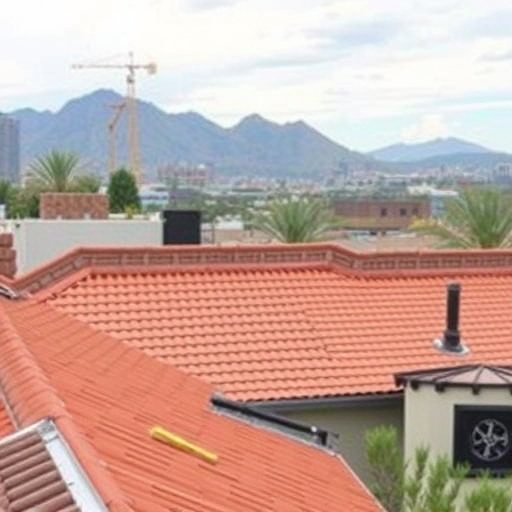
The commercial roofing Tucson landscape presents unique challenges and opportunities driven by the region’s distinct climate, local building codes, and evolving business needs. Understanding these dynamics is crucial for property managers and businesses seeking affordable and durable roof solutions. Tucson’s frequent sun exposure and occasional monsoons necessitate robust materials that can withstand intense UV radiation and sudden storms, making high-quality commercial roofing systems a critical investment.
Beyond material considerations, Tucson’s strict building codes ensure structures meet safety and sustainability standards, impacting the design and installation processes. Businesses must work with licensed professionals who understand these regulations to avoid costly mistakes and ensure their roofs comply with local requirements. For instance, reflective or cool roof coatings can be mandated for energy efficiency while also protecting against heat-related damage during the region’s hot summers.
Effective commercial roofing Tucson strategies involve integrating long-lasting materials with smart design choices. Flat roofs, common in the area, require specialized membranes and drainage systems to prevent water buildup and leaks. Additionally, incorporating green or living roofs can mitigate urban heat islands and lower cooling costs, aligning with sustainable business practices. Property managers should also explore maintenance plans that include regular inspections and timely repairs to prolong roof lifespan and avoid unexpected failures. By combining these approaches, businesses can access affordable roofing solutions tailored to Tucson’s unique demands while ensuring their facilities remain protected and productive for years to come.
Affordable Solutions for Your Roof Replacement
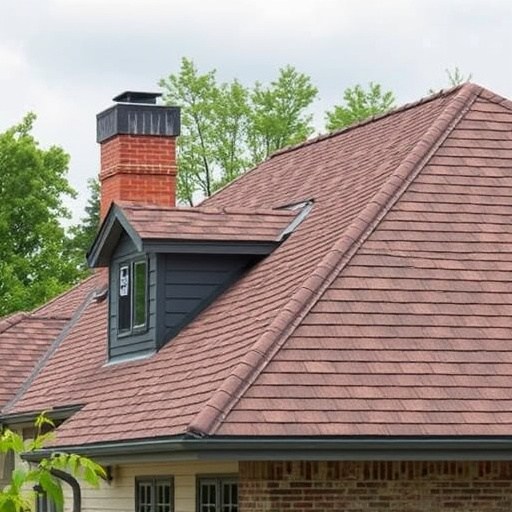
In Tucson, Arizona, commercial roofing solutions don’t have to come with a hefty price tag. With a strategic approach and an understanding of local market dynamics, businesses can access cost-effective roof replacement options that meet their structural needs while aligning with their budgets. One key consideration is leveraging the region’s abundant sunlight and clear weather to extend roof lifespans through proper maintenance and eco-friendly materials. For instance, reflective or cool roofs made from energy-efficient tiles or coatings can reduce cooling costs by minimizing heat absorption.
Commercial roofing Tucson businesses should also explore local incentives and grants aimed at promoting sustainable building practices. The city’s commitment to environmental stewardship offers financial benefits for businesses adopting green roof solutions. Additionally, partnering with experienced local contractors who specialize in affordable business roof solutions can yield significant savings without compromising quality. These professionals stay updated on industry trends, ensuring access to cutting-edge yet budget-friendly materials and techniques.
Case studies from nearby cities demonstrate the potential for substantial cost savings through strategic roof replacements. According to recent data, replacing commercial roofs with high-efficiency models can reduce energy consumption by up to 30%, leading to long-term financial benefits that outweigh initial investment. Furthermore, leveraging technology like drone inspections and digital design software enables precise assessments and efficient project planning, minimizing waste and labor costs. By adopting these innovative practices, Tucson businesses can achieve both aesthetic improvements and substantial savings on their commercial roofing projects.
Expert Guidance on Longevity & Maintenance

In the commercial roofing Tucson landscape, longevity and maintenance are paramount to safeguarding investments and ensuring uninterrupted business operations. The harsh desert climate presents unique challenges, from extreme temperatures to frequent sunlight exposure, all of which can accelerate roof degradation. Expert guidance emphasizes the critical nature of regular inspections and timely repairs as fundamental pillars for maintaining robust commercial roofs.
A strategic approach to roofing involves understanding material resilience in this environment. Cool roof systems, designed to reflect sunlight, offer a sustainable solution, prolonging membrane life by preventing rapid heat absorption. For instance, reflective coatings can reduce surface temperatures by up to 30%, delaying the onset of blisters and cracks that often plague traditional roofs. Additionally, incorporating self-healing membranes or repair-assist technologies can mitigate small damage spots before they escalate into larger issues, thereby enhancing overall durability.
Beyond material choices, proper installation techniques are indispensable for long-term performance. Certified roofing contractors in Tucson should adhere to stringent guidelines during the construction phase, ensuring optimal overlap and sealing strategies. Regular maintenance checks, including cleaning gutters and inspecting flashing, become vital tasks to prevent water penetration and related structural damage. By prioritizing these practices, business owners can expect their roofs to withstand the test of time, safeguarding investments and fostering a safe, reliable working environment.
Sustainable Options for a Greener Tucson

Tucson, Arizona’s vibrant business landscape is not only known for its diverse economy but also for its unique environmental considerations, especially when it comes to commercial roofing Tucson solutions. As the region faces the challenges of a growing population and a desire to preserve its natural beauty, adopting sustainable practices in commercial roofing has become a priority. This shift towards greener initiatives not only benefits the environment but also offers long-term cost savings for businesses.
One of the most effective strategies is the implementation of cool roofs, which reflect sunlight, reducing the need for excessive energy-intensive air conditioning. This simple yet powerful solution can significantly lower operating costs for commercial properties during Tucson’s hot summers. For instance, a study by the U.S. Department of Energy found that reflective roofing materials can reduce rooftop temperatures by up to 60°F, leading to substantial energy savings. Moreover, many local businesses are opting for eco-friendly materials like recycled metal or biodegradable rubber membranes, further minimizing their carbon footprint.
Green roofs and living walls are another innovative approach gaining traction in the Tucson region. These systems not only provide insulation but also create habitats for local wildlife, improve air quality, and enhance the overall aesthetics of commercial buildings. Businesses like the University of Arizona have successfully integrated green roofs into their campus developments, showcasing both environmental stewardship and cost-effectiveness over time. By embracing these sustainable business roof solutions, Tucson’s commercial properties can contribute to a greener future while potentially reducing operating expenses in the long run.
By addressing the unique commercial roofing Tucson needs, this article has offered a comprehensive guide to affordable and sustainable solutions. Key insights include recognizing the importance of expert guidance for longevity and maintenance, understanding the environmental benefits of green roofing options, and embracing cost-effective replacement strategies. Readers now possess valuable knowledge to navigate the market, make informed decisions, and ensure their properties in the Tucson region benefit from robust, eco-conscious roofs. These practical takeaways empower property owners and managers to confidently embrace solutions tailored to their specific needs.