Commercial roofing Tucson naturally requires robust solutions to combat extreme sunlight and weather events, focusing on durable materials, advanced ventilation, and insulation. Quality roof ventilation prevents heat damage, reduces moisture buildup, and disperses trapped moisture, extending material life by up to 50%. Well-insulated roofs can save 10–30% on heating/cooling costs, with fiber glass and foam offering distinct advantages based on structure, climate, and budget. Combining insulation and ventilation enhances energy efficiency, reduces HVAC strain, minimizes heat transfer, and lowers year-round energy costs. Investing in these solutions extends roof lifespans, lowers replacement costs, reduces Tucson's carbon footprint, and offers significant long-term savings for commercial roofing.
In the harsh desert climate of Tucson, proper roof ventilation and insulation are not just recommended—they’re essential for commercial roofing longevity and energy efficiency. Commercial roofs in this region face unique challenges from extreme temperatures, high humidity, and intense sunlight, which can lead to significant structural damage and costly repairs if not properly addressed. This article delves into the critical role of effective ventilation systems and advanced insulation techniques, offering practical insights for property managers and commercial roofing contractors alike to navigate Tucson’s demanding environment. By implementing best practices, we aim to provide genuine value, ensuring roofs perform optimally while safeguarding investments in these vital assets.
- Understanding Tucson's Unique Commercial Roofing Challenges
- The Role of Quality Ventilation in Roof Systems
- Insulation Options for Optimal Energy Efficiency
- Best Practices for Commercial Roofing Installation
- Long-Term Savings: Maintenance Tips for Insulated Roofs
- Local Experts Share Insights on Modern Tucson Roofing
Understanding Tucson's Unique Commercial Roofing Challenges
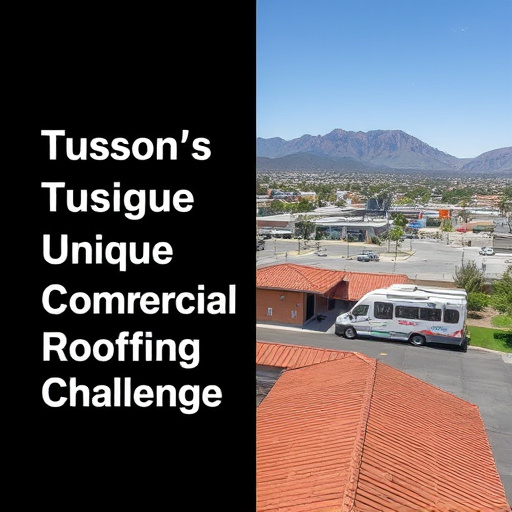
Tucson’s unique climate presents distinct challenges for commercial roofing. With scorching summers and mild winters, coupled with high humidity levels, maintaining a stable indoor environment becomes a complex task for business owners. The region’s intense sunlight also contributes to faster deterioration of roofing materials, making quality roof ventilation and insulation crucial for long-term sustainability. Commercial roofing Tucson naturally requires robust solutions that can withstand these harsh conditions while ensuring energy efficiency and occupant comfort.
One of the primary concerns is the management of temperature and moisture. During the summer months, the heat can cause significant thermal strain on roofs, leading to increased energy costs for cooling. Inadequate ventilation may result in the buildup of warm air, creating uncomfortable indoor spaces and putting additional stress on HVAC systems. Conversely, winter storms can bring moisture intrusion risks, especially if insulation is insufficient or damaged. Business roof solutions that incorporate advanced ventilation systems, such as mechanical vents or ridge vents, can help regulate temperature and control humidity levels year-round.
Additionally, Tucson’s exposure to extreme weather events like hailstorms and powerful winds demands durable roofing materials and structures. Wind resistance is a critical factor in ensuring the longevity of commercial roofs. Expert recommendations often include using high-strength underlayments and impact-resistant shingles or metal panels. For example, studies have shown that businesses investing in robust roof insulation and ventilation systems can reduce energy consumption by up to 30% while minimizing the risk of damage from weather events. Prioritizing comprehensive commercial roofing solutions not only safeguards buildings but also offers long-term financial savings for Tucson’s business owners.
The Role of Quality Ventilation in Roof Systems
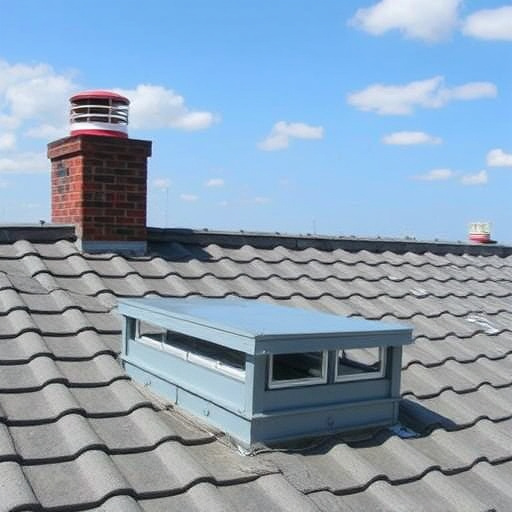
The role of quality roof ventilation cannot be overstated, especially in a region like Tucson where commercial roofing faces unique challenges due to extreme temperatures and varying weather patterns. A well-designed ventilation system is a critical component of any robust commercial roof solution in Tucson. It plays a multifaceted role in maintaining the structural integrity of roofs while enhancing energy efficiency for businesses.
In warm climates, such as Tucson’s, proper ventilation helps regulate roof temperatures, preventing excessive heat buildup. This is particularly important during summer months when high temperatures can significantly impact the lifespan of roofing materials. By facilitating air flow, ventilations systems keep the roof cooler, reducing thermal stress on shingles or metal panels. For instance, studies show that commercial roofs with adequate ventilation can extend the life expectancy of roofing materials by up to 50%. Furthermore, proper ventilation contributes to effective insulation, minimizing energy loss and stabilizing interior temperatures throughout the year.
Business roof solutions that integrate high-quality ventilation systems offer a range of benefits. They not only protect against heat damage but also help prevent moisture buildup, which can lead to mold and mildew issues. Adequate ventilation promotes air circulation, ensuring that any trapped moisture is quickly dispersed, thus reducing the risk of water damage. By addressing these concerns, commercial roofing in Tucson equipped with quality ventilation systems can enhance building performance while offering long-term savings on energy costs.
Insulation Options for Optimal Energy Efficiency
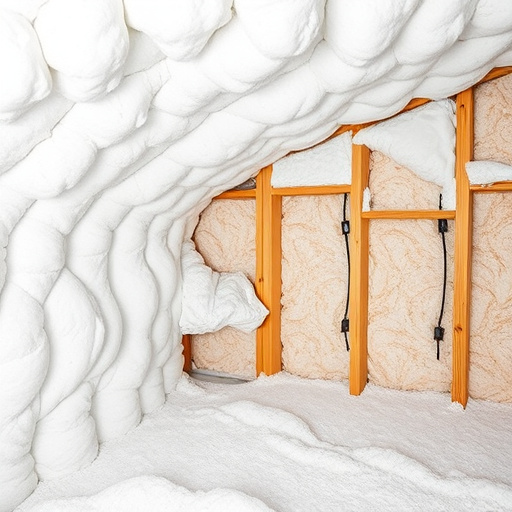
In commercial roofing Tucson, achieving optimal energy efficiency through strategic insulation choices is paramount. Insulation plays a pivotal role in regulating indoor temperatures, reducing heating and cooling costs significantly. For businesses seeking sustainable and cost-effective roof solutions, understanding insulation options is essential. Two primary types dominate the market: fiber glass and foam. Fiber glass insulation, commonly used in commercial roofs, offers excellent resistance to moisture and fire while providing consistent performance over time. It’s a preferred choice for its balance of affordability and effectiveness.
On the other hand, rigid foam insulation provides superior thermal resistance, making it ideal for extreme climates. This type is known for its R-value—a measure of thermal resistance—which can be significantly higher than fiber glass. Incorporating high-performance foam insulation in business roof solutions can lead to substantial energy savings. For instance, a study by the U.S. Department of Energy found that buildings with well-insulated roofs and walls saved 10–30% on heating and cooling costs compared to poorly insulated counterparts. In commercial roofing Tucson, where temperatures can fluctuate drastically, this translates into tangible long-term benefits for businesses.
When selecting insulation options, consider roof structure, climate, and budget. Professional consultation is invaluable in making an informed decision. Expert advice ensures that the chosen insulation not only meets energy efficiency goals but also aligns with the specific demands of commercial roofing Tucson. Additionally, combining insulation with proper ventilation creates a synergistic effect. Adequate ventilation helps regulate roof temperatures, reducing heat buildup and easing the workload on HVAC systems. This holistic approach to business roof solutions maximizes energy efficiency, ensuring comfortable indoor environments while minimizing operational costs.
Best Practices for Commercial Roofing Installation
In the commercial roofing Tucson landscape, optimal performance and longevity of a building’s roof are heavily reliant on quality ventilation and insulation practices. Commercial roofing installations that prioritize these elements offer multifaceted benefits, from enhanced energy efficiency to improved structural integrity. Proper ventilation systems facilitate the escape of hot air during summer months, reducing internal temperatures and easing the load on HVAC systems. Meanwhile, strategic insulation placement minimizes heat transfer, resulting in lower energy costs for businesses throughout the year.
Best practices for commercial roofing Tucson involve integrating these solutions seamlessly into the installation process. This includes careful assessment of the building’s design, climate considerations, and specific ventilation needs. For instance, a flat roof with a low pitch may require enhanced ventilation systems to prevent water accumulation and associated structural damage. Businesses should also consider modern, energy-efficient insulation options that offer superior R-values, ensuring optimal thermal performance. Data from local weather patterns can guide material choices, ensuring roofs are equipped to withstand the region’s unique challenges.
Implementing robust business roof solutions not only benefits individual structures but contributes positively to the broader community. By reducing energy consumption and waste, these practices play a role in minimizing Tucson’s carbon footprint. Furthermore, well-ventilated and insulated commercial rooftops extend the lifespan of materials, lowering replacement costs for businesses over time. Ultimately, prioritizing quality ventilation and insulation during installation is an investment that pays dividends in sustainability, cost savings, and enhanced building performance.
Long-Term Savings: Maintenance Tips for Insulated Roofs
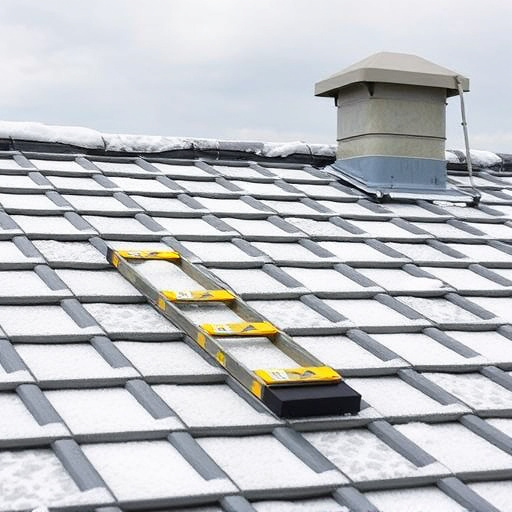
Investing in quality roof ventilation and insulation for your commercial roofing in Tucson is a strategic decision with significant long-term savings implications. Efficient ventilation systems play a crucial role in temperature regulation, reducing the internal heat buildup during summer months, thereby lowering energy costs associated with air conditioning. In a city like Tucson known for its hot and dry climate, proper insulation and ventilation can substantially mitigate the need for excessive cooling, translating to substantial financial benefits over time. Studies show that well-insulated roofs can reduce energy consumption by up to 20%, making it one of the most cost-effective retrofits for commercial properties.
Proper roof insulation is not just about energy efficiency; it’s also a defense against potential structural damage caused by extreme temperatures. Over time, rapid temperature fluctuations can lead to issues like roof leaks, blisters, and cracks. By providing a consistent and controlled environment, insulated roofs extend the lifespan of your commercial roofing system, reducing the need for frequent repairs or premature replacements. Business roof solutions that incorporate advanced insulation materials designed for durability and breathability offer superior protection against thermal shock, ensuring your building remains safe from weather-related damage.
Maintenance is key to maximizing the long-term savings from your insulated roof. Regular inspections should be scheduled to check for signs of wear, moisture intrusion, or insulation degradation. Addressing minor issues early can prevent more significant problems down the line. For example, identifying and sealing leaks promptly prevents water damage that could compromise the insulation’s effectiveness. Additionally, re-insulating areas with increased foot traffic or new equipment installations is essential to maintain an even temperature distribution across the roof. Commercial roofing Tucson professionals can provide expert advice tailored to your specific building needs, ensuring optimal performance and longevity of your roof system.
Local Experts Share Insights on Modern Tucson Roofing
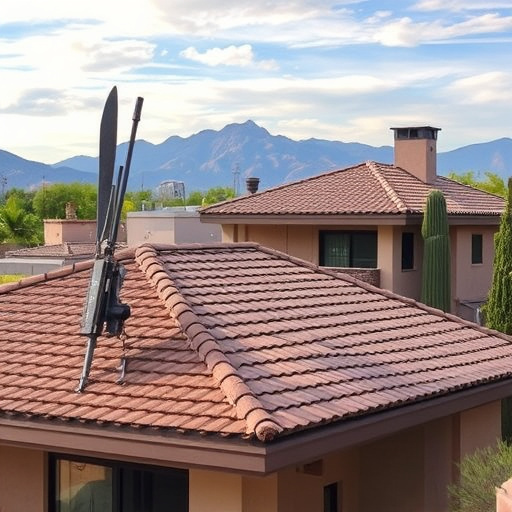
Tucson’s unique climate presents specific challenges when it comes to commercial roofing. Local experts stress the importance of quality roof ventilation and insulation to ensure lasting protection for businesses across the region. With intense summers and mild winters, proper roof management is crucial, as it not only preserves the integrity of buildings but also contributes to energy efficiency.
Commercial roofing Tucson professionals recommend strategic ventilation systems that facilitate temperature regulation. Modern solutions include high-performance exhaust fans and vents designed to expel warm air during hot months, reducing interior heat buildup. Conversely, in winter, these systems can be reversed to help trap heat, thereby lowering heating costs. This dual functionality is a game-changer for businesses aiming to optimize their energy spending. For instance, studies show that well-ventilated roofs can lower interior temperatures by up to 30%, significantly reducing the burden on HVAC systems.
Insulation plays an equally vital role in maintaining comfortable indoor environments and minimizing energy usage. Local experts advocate for advanced insulation materials tailored to commercial applications. These include reflective membranes that bounce radiant heat away from the building, as well as high-density foams offering superior thermal resistance. By combining effective ventilation and robust insulation, business roof solutions can deliver significant long-term benefits. Data indicates that proper roof insulation can lead to energy savings of 20-30% annually, a substantial return on investment for any Tucson business.
In conclusion, this comprehensive guide has highlighted the critical aspects of quality roof ventilation and insulation for commercial roofing Tucson environments. By understanding the unique challenges faced by Tucson’s commercial roofs, such as extreme temperatures and desert conditions, it becomes evident that proper ventilation is a cornerstone of sustainable roofing. Insulation plays a pivotal role in energy efficiency, reducing operational costs. Best practices for installation and maintenance, as shared by local experts, offer tangible strategies for long-term savings and performance. Readers now possess authoritative insights to make informed decisions regarding commercial roofing Tucson, ensuring optimal system longevity and functionality.