In the bustling business landscape of "options," commercial buildings, from warehouses to strip malls, face a critical challenge: their roof's longevity and cost-effectiveness. A leaky, outdated roof can cripple a business's operations and pose safety risks. Warehouse roof repair, for instance, often involves navigating complex maintenance plans, especially in the demanding desert heat. This article cuts through the noise, providing a straightforward guide to navigating commercial roof budgets, life cycle costs, and strategic planning. We'll explore proven methods to balance immediate repairs with long-term asset management, ensuring your property's roof works as hard as the businesses beneath it.
- Understanding Commercial Roof Budgets: Essential Costs and Line Items
- Life Cycle Analysis: Predicting Warehouse Roof Repair Needs
- Strategies for Long-Term Savings: Beyond Initial Costs
- Planning for the Future: Warehouse Roof Repair and Maintenance Roadmaps
Understanding Commercial Roof Budgets: Essential Costs and Line Items

Understanding Commercial Roof Budgets: Essential Costs and Line Items
Commercial roof budgets are a critical aspect of property management, especially for buildings like warehouses, which often have extensive roofing systems. When planning for a warehouse roof repair or replacement, Tucson office managers and property owners need to consider a multifaceted budget that encompasses a variety of line items. This includes materials, labor, maintenance, and life cycle costs-all factors that influence the long-term sustainability and performance of the roof.
One common commercial roofing material is TPO (thermoplastic olefin), a versatile, durable option that offers excellent resistance to heat and chemicals, making it ideal for warehouse environments. Another popular choice is PVC (polyvinyl chloride) membrane, known for its low maintenance and long lifespan. Modified bitumen, a synthetic material, is also frequently used, providing a cost-effective solution for larger roofs. Each material has its unique cost implications, with TPO and PVC membrane often being more affordable for initial installations compared to modified bitumen, which may require more specialized equipment and labor.
When putting together a budget, it's crucial to break down the costs by phase. This includes design and engineering, material procurement, labor for installation, and post-installation inspections. A warehouse roof repair project might involve replacing damaged sections, installing new flashing around pipes and vents, and ensuring proper drainage. A Tucson roofer with an Arizona ROC license can provide detailed estimates, outlining these components and their associated costs. Regular maintenance, such as cleaning and inspecting the roof, should also be factored in, as it can extend the life of the roofing system and prevent costly repairs down the line.
Commercial roofers often offer long-term warranties on their work, which should be considered in the overall budget. These warranties can provide peace of mind and protect against unexpected repairs. However, it's important to understand the terms and conditions of the warranty, including coverage limits and exclusions. By understanding the various elements that contribute to a commercial roof budget, property managers can make informed decisions, ensuring their buildings are protected under a comprehensive and realistic financial plan.
Life Cycle Analysis: Predicting Warehouse Roof Repair Needs
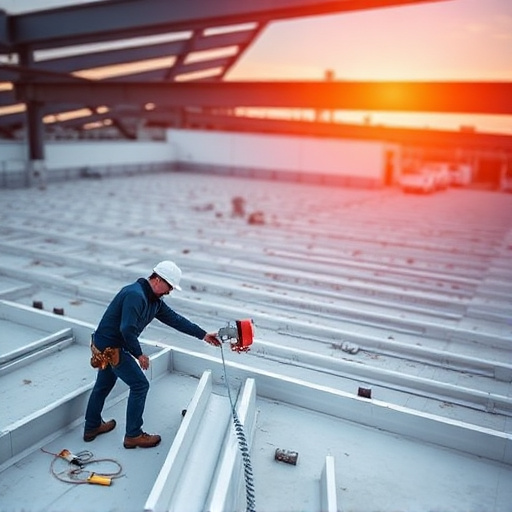
In the competitive world of commercial warehousing, optimizing costs and minimizing downtime are crucial for success. A key aspect often overlooked is the life cycle analysis of warehouse roof repair needs. Understanding how different roofing materials and systems perform over time can significantly impact long-term operational costs. In the Oracle Road corridor, a licensed Arizona roofer often encounters varied challenges due to the region's unique climate and diverse building stock.
Warehouse roofs, given their size and exposure to harsh desert heat, typically require more frequent maintenance than smaller, residential structures. When planning for repairs, a deep examine the material's life cycle is essential. Take TPO (thermoplastic olefin) roofing, a popular choice for its durability and versatility. With the right acrylic elastomeric coating, TPO can withstand the UV exposure and extreme temperatures characteristic of the Tucson region. However, without proper maintenance, cracks can form, leading to leaks and necessitating costly repairs. Regular inspections and proactive maintenance can extend the life of TPO, reducing the frequency of roof hatch replacements and repairs.
For foam roofs, a different strategy is often required. While they offer excellent insulation and energy efficiency, their life cycle costs can vary significantly. Spray foam, for example, may need to be reapplied over time due to degradation from airborne contaminants and UV exposure. A life cycle analysis should consider the expected service life of the foam and the associated replacement costs. In contrast, built-up roofs, known for their durability, can last 20 years or more with minimal maintenance. Yet, their repair can be complex and costly, involving the removal of multiple layers. As such, a thorough assessment is crucial to balance the initial investment with long-term maintenance needs.
By factoring in these considerations, warehouse owners can make informed decisions when budgeting for roof repairs. Regular maintenance plans, tailored to the specific roofing system, can help predict and prevent costly surprises. A well-timed cleaning and coating application can extend the life of both TPO and foam roofs, reducing the need for extensive repairs. Proactive management can help identify minor issues before they escalate, ensuring business continuity and minimizing disruptions to warehouse operations.
Strategies for Long-Term Savings: Beyond Initial Costs

Commercial roofs, especially in a hot desert climate like Tucson, are a significant investment. While the initial installation cost is a primary concern, long-term savings and longevity should guide your decision-making. Beyond the initial budget, focusing on strategies that maximize the life cycle cost of your warehouse roof repair is crucial.
One effective approach involves considering the entire roof system, from insulation to drainage. Polyiso insulation offers exceptional thermal resistance, reducing heating and cooling costs. By minimizing temperature fluctuations, this material can extend the lifespan of your roof and lower long-term maintenance costs. Proper roof drainage is vital to prevent water damage, especially with the potential for intense rainfall events. Ensuring that your roof has adequate scuppers and drains, and that they are regularly maintained, can prevent costly repairs down the line.
Another key factor is the condition of your parapet walls and HVAC curbs. These elements play a crucial role in protecting your building and its roof. Regular inspections and repairs to these areas can prevent leaks, which are not only costly to fix but can also lead to mold growth and structural damage. DC Roofing of Arizona, a local Tucson roofing contractor, emphasizes the importance of proactive maintenance. They recommend implementing a comprehensive commercial roof maintenance plan, which includes regular inspections and preventative measures, to extend the life of your roof and reduce unexpected expenses.
By adopting these long-term strategies, you can ensure that your warehouse roof repair investment provides maximum returns. It's about making smart, sustainable choices that align with the unique challenges of Southern Arizona's climate and commercial properties.
Planning for the Future: Warehouse Roof Repair and Maintenance Roadmaps

Planning for the future of your warehouse's roof involves a strategic approach that combines repair, maintenance, and long-term cost considerations. In the heart of Downtown Tucson, where businesses thrive under the desert heat, warehouse owners must prioritize roof health to ensure operational continuity. A licensed Tucson roofing contractor emphasizes the importance of regular inspections and proactive repair to avoid costly replacements.
Warehouse roof repair and maintenance roadmaps should begin with a comprehensive assessment of the current state of the roof. This includes identifying any signs of damage, such as leaks around HVAC curbs or scupper and roof drain fixes, which can lead to significant interior issues. Regular maintenance, like cleaning and inspecting drains, can prevent blockages and water damage, extending the life of the roof. A thorough inspection might reveal the need for a foam roof repair or a silicone coating application to seal existing cracks and protect against future leaks.
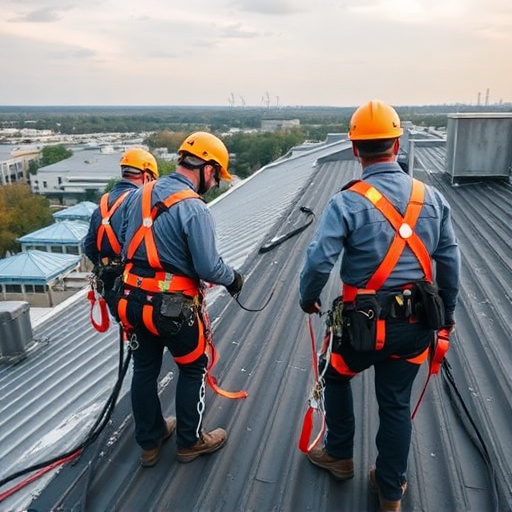
Long-term planning involves understanding the life cycle costs of different roofing materials and systems. TPO, for instance, offers a cost-effective solution for warehouse roofs, known for its durability and resistance to extreme temperatures. However, as the roof ages, considerations for replacement or coating may arise, balancing the initial cost savings against potential future repairs. Fall protection is another critical aspect, especially in high-risk areas like warehouses, where workers may be exposed to significant heights during repair or maintenance activities. Implementing safety protocols ensures compliance with regulations and the well-being of the workforce.
A well-planned warehouse roof maintenance strategy translates to reduced downtime and lower operational costs. By integrating regular inspections, proactive repairs, and strategic maintenance decisions, business owners can ensure their warehouse roofs serve them for years to come, even in the demanding environment of Downtown Tucson.
Frequently Asked Questions About a plain language look at commercial roof budgets, life cycle costs and planning
What is the average cost of a commercial roof replacement?
While the price of a new commercial roof varies widely, expect to pay between $10 and $20 per square foot, installed. This can range from $150,000 to $500,000 or more, depending on factors like building size, roof type, material choices, and local labor costs. Remember, this is just a general range; precise estimates require an on-site assessment by a licensed roofer.
How long does a commercial roof typically last?
The lifespan of a commercial roof depends heavily on the material and installation quality. Well-maintained asphalt shingles can last 15 to 25 years, while metal or flat roof systems may last 20 to 40 years or more.
What are the most cost-effective commercial roof options?
Cost-effectiveness isn't just about upfront price. Consider the entire lifecycle cost, including installation, maintenance, and replacement. Asphalt shingles are often the most affordable initial option, but may require more frequent repairs. Metal roofing is more expensive upfront but is known for its durability and low long-term maintenance needs.
How can I reduce the cost of a commercial roof replacement?
Several strategies can help lower commercial roof replacement costs:
- Regular maintenance: Preventative care can extend the life of your roof, delaying the need for replacement.
- Choose a suitable material: Select a roof material that aligns with your building's design, climate, and budget.
- Implement energy-efficient options: Consider reflective coatings or insulation to reduce cooling costs.
- Take advantage of incentives: Some municipalities offer tax credits or grants for installing energy-efficient roofing.
What is a life cycle cost analysis (LCCA) for a commercial roof?
An LCCA is a detailed assessment that compares the costs and benefits of different roofing options over the expected lifespan of the building. It considers initial installation, maintenance, repair, and replacement costs, helping you make a more informed, long-term decision.
Who should I hire to install or repair my commercial roof?
Always hire a licensed, bonded, and insured roofing contractor with experience in commercial roofing. Check online reviews, ask for references, and get multiple bids before making a decision. DC Roofing of Arizona, a local Tucson roofing company, can provide expert guidance and quality workmanship for all your commercial roofing needs.
Understanding commercial roof budgets and their life cycle costs is crucial for businesses, especially when dealing with warehouse roof repair. This article has provided valuable insights into the essential line items that comprise commercial roofing expenses, enabling readers to make informed decisions. By conducting a life cycle analysis, property managers can predict repair needs for warehouse roofs, ensuring proactive maintenance. Strategies for long-term savings go beyond initial costs, factoring in material longevity and maintenance plans. Planning for the future includes developing comprehensive warehouse roof repair roadmaps, which consider regular inspections, tenant improvement roofing, and the replacement of critical components like scuppers and roof drains. These practical next steps empower businesses to optimize their commercial roof budgeting, ultimately lowering building cooling costs and enhancing the longevity of their structures, such as strip malls, office buildings, and churches. Armed with this knowledge, property managers can confidently manage their assets, ensuring the integrity of their roofs while maintaining a positive ROI.
Commercial warehouse roofs require strategic budgeting, considering initial material costs, labor, maintenance, and long-term life cycle expenses. Tucson roofer expertise highlights the importance of:
- Material choices: TPO, PVC, and modified bitumen each have unique cost profiles, life expectancies, and maintenance requirements.
- Detailed phase budgeting: Break down costs for design, procurement, installation, and post-repair inspections.
- Regular maintenance: Schedule cleaning and inspections to extend roof life and prevent costly repairs.
- Warranty understanding: Review long-term warranties for peace of mind and coverage clarity.
- Life cycle analysis: Factor in the lifespan of different roofing systems for balanced budgeting.
- Proactive management: Implement maintenance plans tailored to specific systems for cost savings and operational continuity.