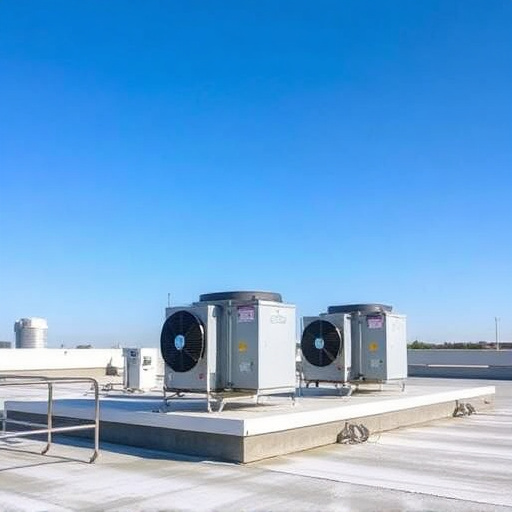
In the bustling commercial landscape of options, where buildings house offices, shops, and warehouses, a robust roof care plan is not just an option-it's a necessity. With the diverse climate and varied structures in our region, maintaining flat roofs becomes a complex task for property managers. Leaks, from roof grease damage in restaurants to scupper and roof drain fixes, can spell disaster, leading to costly repairs and potential business interruptions. This article provides a practical guide to help property managers navigate the challenges of roof care, from understanding different roofing materials to budgeting and planning, ensuring that each building under their care is protected and well-maintained. We'll explore effective strategies for preventing and addressing common issues, including the importance of regular inspections and a well-structured maintenance plan.
- Assessing Roof Damage: Scutters & Drainage Issues
- Effective Roof Maintenance Strategies for Multiple Properties
- Natural Scupper & Drain Fix Solutions for Longevity
- Preventive Care: Long-Term Roof Health & Cost Savings
Assessing Roof Damage: Scutters & Drainage Issues
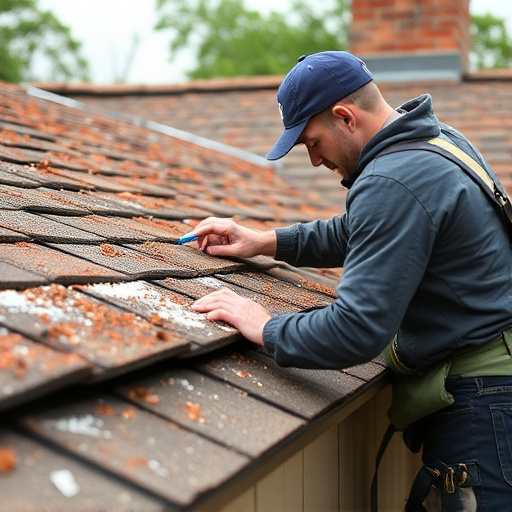
Inspecting and maintaining roofs on multiple buildings is a crucial task for property managers, especially when addressing scupper and roof drain fixes. These components, often overlooked, play a vital role in protecting structures from water damage, especially in a desert climate like Tucson. For scupper and drain issues, a thorough assessment is key to determining the best course of action, whether it's repair, replacement, or a more extensive roof system upgrade.
One common problem in commercial buildings across the region is ponding water. This occurs when rainwater collects on a roof's surface due to improper drainage or flat slopes. Over time, it can lead to various issues, from weakened structural integrity to mold growth and interior damage. Property managers should look for signs of water accumulation, especially around scuppers and drains, and consider the installation of polyiso insulation to improve drainage and reduce moisture intrusion.
Regular inspections should include a close examination of scuppers and roof drains. A licensed Tucson roofer with an Arizona ROC license can provide expert advice on the condition of these elements. They may recommend cleaning or replacing them if they are blocked or damaged. Debris buildup in scuppers can hinder water flow, causing ponding and potential roof damage. A roofer can assess the overall roof system for any signs of weakness or leaks, ensuring that the building's protective barrier remains intact and efficient.
By addressing scupper and roof drain fixes proactively, property managers can mitigate significant, costly repairs in the future. Regular maintenance, coupled with expert advice, can ensure that these often-overlooked components of a commercial roof care plan function optimally, contributing to the longevity and efficiency of the building's overall structure.
Effective Roof Maintenance Strategies for Multiple Properties

Effective roof care for multiple properties involves a strategic approach that balances cost-efficiency, longevity, and safety. Property managers face the challenge of maintaining diverse roofing systems across several buildings, each exposed to unique environmental factors. The desert heat in Tucson can accelerate the deterioration of certain materials compared to cooler climates. Therefore, a well-structured maintenance plan is crucial to prevent leaks, extend roof lifespans, and maintain tenant satisfaction.
Regular inspections are the cornerstone of any robust roof care plan. Property managers should schedule comprehensive assessments at least twice annually, focusing on key components like scuppers and roof drains. These areas are vital for water runoff management and can be prone to clogging, leading to structural damage if left unattended. A licensed Arizona roofer can provide expert advice on the best maintenance practices for different roofing types, commonly encountered in the region. Built-up roofing, for instance, requires regular inspection for cracks and signs of wear, while parapet walls demand careful attention to ensure proper drainage and prevent water penetration.
During inspections, address any issues promptly, such as replacing missing or damaged shingles or repairing scupper and roof drain blocks. For larger repairs or replacements, implement a proactive approach. Keep a detailed maintenance log, documenting repairs, materials used, and warranties. This documentation not only aids in tracking but also supports insurance claims and future tenant improvements. Remember, fall protection is a critical aspect of roof safety, especially when working on exposed surfaces. Ensure all personnel are equipped with appropriate safety gear and trained in secure work practices, adhering to industry standards and local regulations.
By integrating these strategies, property managers can create a sustainable roof care plan tailored to their portfolio. This proactive approach will minimize unexpected repairs, lower long-term maintenance costs, and contribute to the overall value and efficiency of the properties.
Natural Scupper & Drain Fix Solutions for Longevity
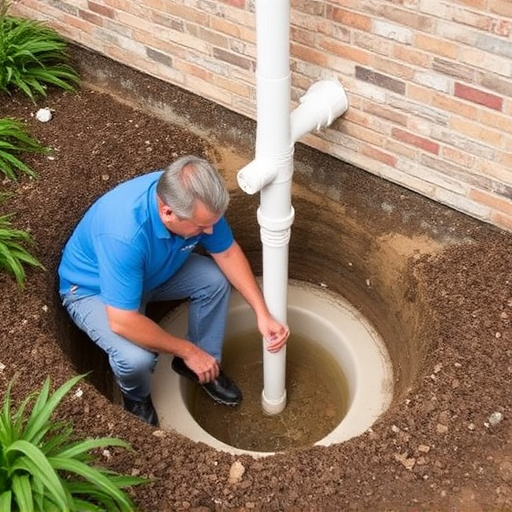
Property managers face a crucial task for maintaining multiple buildings' roofs-especially in harsh climates like Southern Arizona's. One oft-overlooked yet critical aspect of roof care is the natural scupper and drain fix solutions that can significantly extend the lifespan of commercial flat roofs. These structures, whether made of TPO, modified bitumen, or spray polyurethane foam (SPF), require thoughtful maintenance to combat common issues like leaks and grease damage, particularly in food service establishments.
In Pima County, adhering to the local building code (1-3, depending on the specific building type) is essential for any roof repair or replacement project. A licensed Arizona roofer can guide property managers through the process, ensuring scuppers and drains are not only fixed but also conform to safety and efficiency standards. Natural fix solutions for these components offer both benefits. SPF, a popular choice due to its exceptional insulation properties, can be applied to scuppers and drains to create a seamless, water-resistant barrier. This method is particularly effective in preventing leaks, a common issue in strip malls and office buildings.
Regular inspections are key to identifying scupper and drain issues early. Property managers should implement a comprehensive roof care plan that includes these checks. By addressing blockages and debris buildup naturally, without resorting to harsh chemicals, managers can maintain a healthy roof environment. Using environmentally friendly cleaning solutions or even natural enzymes to break down grease can be more effective and safer than traditional methods. This not only prolongs the roof's life but also reduces environmental impact. Proper maintenance can extend the life cycle cost of the roof, a significant consideration in commercial real estate.
Preventive Care: Long-Term Roof Health & Cost Savings

Preventive care is a cornerstone of any successful property management strategy, and for roofs, the benefits are both immediate and long-term. By implementing a robust roof care plan, property managers can significantly extend the lifespan of their roofs, reducing costly repairs and replacements. One oft-overlooked aspect of roof maintenance involves addressing scuppers and roof drains, which play a crucial role in preventing damage from water accumulation and pooling.
In the arid climate of Tucson, proper drainage is essential. Scuppers, designed to divert water away from the building, can become clogged with debris over time, leading to waterponding on the roof. This not only increases the risk of water intrusion and structural damage but also contributes to the premature aging of the roofing material. A licensed Tucson roofing contractor, DC Roofing of Arizona, recommends regular cleaning and inspection of scuppers and drains as part of a comprehensive roof maintenance program. This proactive approach can save property managers from costly repairs, as water damage is one of the leading causes of roof failures.
To ensure optimal drainage, property managers should familiarize themselves with the City of Tucson's building codes and permits regarding roof drainage systems. Proper installation and maintenance of scuppers and drains not only protects the building but also complies with local regulations. Ensuring that scuppers are angled correctly to direct water away from the foundation and that drains are clear of obstructions prevents water from backing up and infiltrating the roof system. Regular maintenance, including cleaning and checking for debris buildup, is crucial, especially in areas with significant tree coverage or near bodies of water, where debris can easily clog drains. By integrating these preventive measures into their roof care plans, property managers can achieve significant cost savings and extend the life of their roofs, ensuring the longevity of their investment.
Frequently Asked Questions About advice for property managers on roof care plans for multiple buildings
What are the most common roof issues property managers in Tucson should look out for?
Property managers in Tucson should watch for signs of aging, such as missing or curled shingles, exposed underlayment, and rusted fastenings. Also, keep an eye out for leaks, mold growth, and overall structural weakness. Regular inspections, especially after severe weather, can help identify these issues early. Remember, the desert climate brings unique challenges like intense sunlight and heat, which can accelerate roof deterioration.
How often should roofs in commercial buildings be inspected?
Due to their size and exposure, commercial roofs in Tucson should be inspected at least twice a year. These thorough examinations can detect potential problems before they become costly repairs. Inspecting after winter storms and before the onset of summer heatwaves are crucial times, as these seasons present unique risks to roofs.
What's the best way to choose a qualified roofing contractor in Tucson?
Check for licenses and insurance, read online reviews, and request references. Verify the contractor's experience with commercial roofs and ask about their specific expertise in your building type. DC Roofing of Arizona, a local Tucson roofing company, for instance, prioritizes safety, uses high-quality materials, and provides detailed, transparent estimates.
How can property managers reduce the cost of roof repairs?
Regular maintenance, including cleaning gutters and repairing small leaks promptly, can significantly extend a roof's lifespan. Implementing cool roofing strategies, like reflective materials or green roofs, can also reduce energy costs and slow down aging. Long-term planning and budgeting for roof replacement can help avoid emergency repairs.
What are the red flags to watch for when reviewing a roofing estimate?
Unreasonably low bids, lack of detailed descriptions, and vague timelines are red flags. Ensure the estimate includes all materials and labor, and get multiple quotes from different contractors. A transparent, comprehensive estimate from a licensed roofer like DC Roofing of Arizona will help you make an informed decision.
As property managers oversee multiple buildings, prioritizing roof care is crucial for both structural integrity and cost management. This article has highlighted the significance of addressing scupper and roof drain fixes as essential preventive measures. By understanding the unique challenges posed by the desert heat in "options" and implementing targeted strategies, managers can significantly extend the lifespan of their roofs. Effective maintenance includes regular inspections to identify minor issues before they become costly repairs. The article's key insights encourage managers to adopt a proactive approach, focusing on long-term solutions like natural scupper and drainage fixes, which offer both environmental benefits and substantial savings. Moving forward, property managers can strategically plan roof care, ensuring each building's roof is well-maintained and protected against common Tucson issues, ultimately enhancing the overall asset management strategy.
Property managers in Tucson, Arizona, face the challenge of maintaining multiple commercial roofs in a desert climate. Effective roof care involves strategic, proactive approaches to extend lifespans and minimize repairs. This includes regular inspections and maintenance of scuppers and roof drains, which are vital for water runoff management and structural integrity. By addressing issues like ponding water, debris buildup, and leaks, managers can prevent costly damage.
A licensed Arizona roofer guides managers on best practices, such as using polyiso insulation for improved drainage, replacing damaged scuppers and drains, and inspecting different roofing types (e.g., built-up, SPF) for cracks and wear. Adhering to local building codes, implementing natural fix solutions (e.g., SPF barriers), and using environmentally friendly cleaning methods extend roof life, reduce costs, and enhance property value.
Preventive care, focusing on scupper and roof drain fixes, is key to long-term savings and ensuring compliance with Tucson's building regulations.