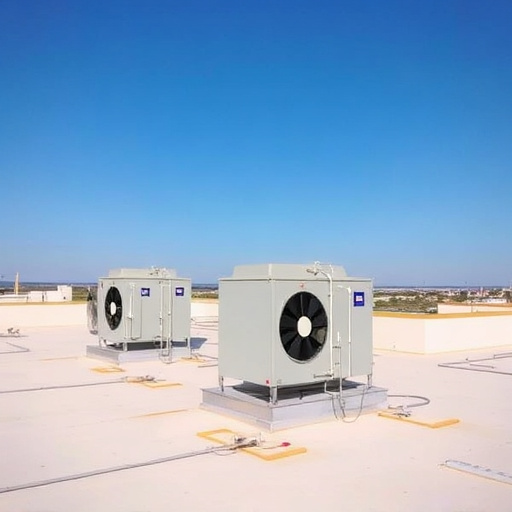
In the vibrant commercial landscape of "options," flat roofs play a critical role in property management. These roofs, often housing essential HVAC units, drains, and parapet walls, are both functional and exposed-to intense desert heat, weather, and potential damage from tenant improvements or grease buildup in restaurants. The challenge lies in maintaining their integrity while ensuring the continued operational efficiency of the buildings below. This guide addresses the specific needs of roofing work in these critical areas, offering insights into the best practices, materials, and strategies-including the application of a durable silicone roof coating-to extend the life of your commercial roof and optimize its performance.
- Planning: Protecting HVAC, Drains, and Parapets
- Material Selection: Choosing the Right Coating
- Application: Step-by-Step Silicone Roof Coating
- Maintenance: Ensuring Longevity and Performance
Planning: Protecting HVAC, Drains, and Parapets
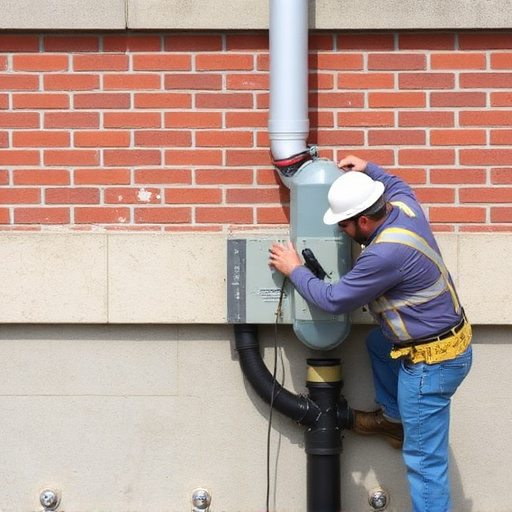
When planning roofing work around rooftop HVAC units, drains, and parapet walls, it's crucial to consider the unique challenges these features present. These areas often serve as critical components in a building's functionality and structural integrity, making their protection paramount. A licensed Arizona roofer knows that failure to address these elements adequately can lead to costly repairs and even safety hazards.
Rooftop HVAC units can be vulnerable to damage from both weather and foot traffic. Silicone roof coating, known for its superior flexibility and durability, can provide an effective barrier against leaks. It forms a protective layer that withstands extreme temperatures and UV exposure, ensuring the HVAC unit remains secure. Similarly, drains and scuppers must be maintained to prevent clogs and water damage. Regular inspections and cleaning, along with the application of spray polyurethane foam for added protection, can significantly extend their lifespan.
Parapet walls, while often overlooked, play a vital role in keeping water from pooling around the building's perimeter. Built-up roofing, characterized by its multi-layered construction, can offer excellent protection for these walls. However, it's essential to consider the structure's solar reflectance, especially in a desert climate like Tucson. A skilled roofer might recommend reflective coatings to reduce heat absorption, thereby lowering cooling costs. This strategic approach to roofing not only ensures the longevity of these critical components but also contributes to the building's overall energy efficiency.
In multi-building properties, like office complexes or strip malls, a comprehensive commercial roof maintenance plan becomes even more critical. This involves regular assessments and repairs, as well as proactive measures to address potential issues. Identifying and sealing leaks early can prevent extensive damage and costly tenant improvements. By balancing the need for protection with the goal of energy efficiency and cost savings, property managers can extend the life cycle of their roofs while ensuring business continuity.
Material Selection: Choosing the Right Coating
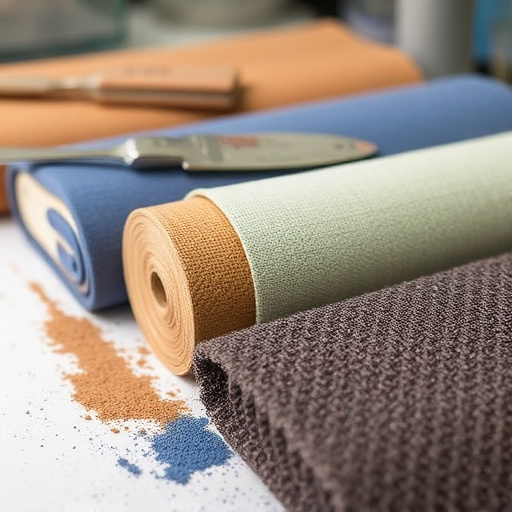
Choosing the right roof coating is a critical decision for any commercial property owner, especially when dealing with rooftop HVAC units, drains, and parapet walls. These areas often present unique challenges, requiring coatings that can withstand extreme desert heat, resist chemical stains from grease and oil, and provide long-term protection against water intrusion. Silicone roof coating, for instance, has gained popularity in Southern Arizona for its exceptional performance in these conditions.
Silicone coatings offer a number of benefits for commercial properties. They are highly flexible, expanding and contracting with the building's structure, which prevents cracking and peeling. This is particularly important around HVAC units and drains where movement is common. Silicone's smooth, seamless surface also repels water effectively, reducing the risk of leaks and water damage, a constant concern for warehouse, strip mall, and office building owners. Its resistance to UV rays and extreme temperatures makes it a durable choice for the harsh Arizona climate.
When considering roof coating options, property managers should also factor in safety and fall protection. TPO (thermoplastic olifin) and spray polyurethane foam (SPF) coatings, for example, provide excellent slip-resistance, making them safer for workers during application and maintenance. SPF, in particular, offers excellent insulation properties, helping to lower building cooling costs, which can be a significant concern for multi-building contracts. A licensed Arizona roofer can assist in selecting the appropriate coating and ensuring its proper application, especially when working over occupied buildings, such as restaurants or churches. Regular inspections and a well-maintained roof asset management system can further extend the life of the coating, ensuring a sound investment in your commercial roofing system.
Application: Step-by-Step Silicone Roof Coating
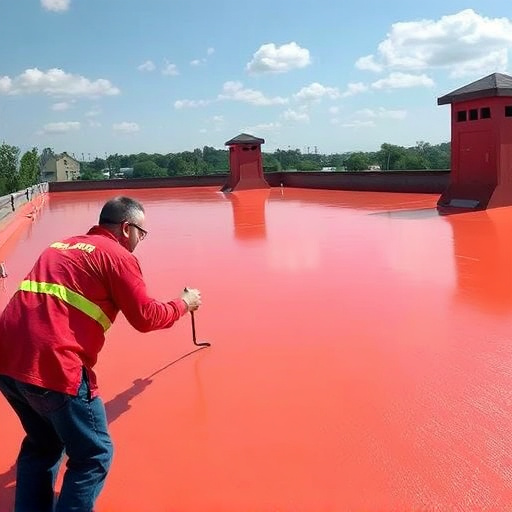
When repairing or protecting flat roofs in commercial buildings, such as offices, warehouses, or strip malls, a silicone roof coating offers a superior solution, especially around rooftop equipment like HVAC units, drains, and parapets. This step-by-step guide demonstrates the process of applying a silicone coating, a durable, flexible option known for its ability to withstand the harsh desert heat and seal against leaks.
Start by preparing the surface. Inspect the roof for any damage or debris, ensuring the area is clean and dry. Repair or replace any damaged modified bitumen or built-up roofing materials. For roof drains and scuppers, check for blockages and clear them to prevent water accumulation. If the roof hatch is in use, ensure it operates smoothly and is sealed properly to avoid moisture intrusion. The substrate must be free of oil, grease, and other contaminants that could compromise the adhesion of the coating.
Next, apply a primer designed for silicone coatings. This step enhances the bonding strength and overall durability of the finish. Let the primer dry thoroughly according to the manufacturer's instructions. Once primed, the silicone coating can be applied in thin, even layers. Use a professional roller or brush for application, ensuring complete coverage. The key to a successful installation lies in maintaining a consistent coat thickness-typically around 30 mils-and avoiding overlap. Allow each layer to dry before applying the next, following the recommended curing time. For optimal results, a licensed Arizona roofer recommends allowing at least 24 hours between coats.
Finally, inspect the completed coating for any imperfections or missing areas. A well-applied silicone roof coating should be seamless, flexible, and impervious to leaks. With proper installation, this method offers a cost-effective, long-lasting solution for commercial roofing, enhancing the life cycle of the roof and potentially lowering building cooling costs. Regular maintenance, including regular inspections, will further ensure the longevity of the coating and the overall roof system.
Maintenance: Ensuring Longevity and Performance
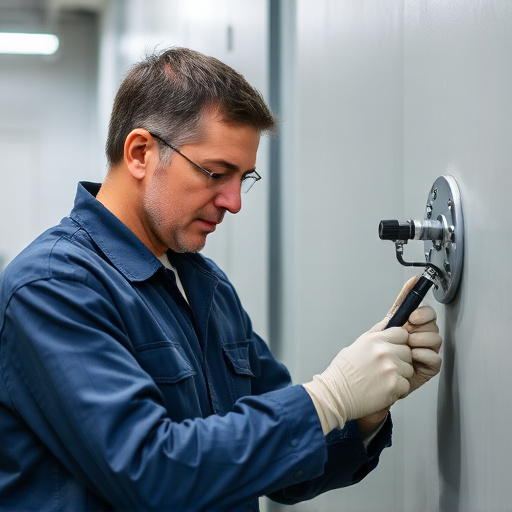
Regular maintenance is crucial for prolonging the lifespan of your commercial roof and ensuring optimal performance. This is especially true for flat roofs with rooftop HVAC units, drains, and parapet walls, as these areas are more vulnerable to damage from weather, UV exposure, and other environmental factors. In Southern Arizona's desert heat, where buildings often house shops, offices, warehouses, and strip malls, a proactive approach to maintenance can significantly impact your bottom line.
One effective strategy involves the application of a silicone roof coating, a durable and flexible solution that protects against a wide range of issues. Silicone coatings create a protective barrier against UV rays, preventing the degradation often caused by prolonged sun exposure. They also seal and protect against leaks, a common concern around HVAC units and drains. A silicone coating can stop water pooling (ponding water) on the roof, which can lead to weak spots and structural damage over time, particularly with PVC membrane roofs. These coatings are highly resistant to chemicals, making them ideal for buildings with grease-laden roofs, like restaurants.
Regular inspections, ideally performed by a licensed professional like DC Roofing of Arizona, are key to identifying potential problems early on. During these visits, experts can assess the condition of the roof, check for signs of damage or wear, and recommend the best course of action, whether it's a simple repair or a complete roof replacement. By addressing issues promptly, you can avoid costly emergency repairs and ensure the longevity of your investment, aligning with the long-term goal of minimizing life cycle costs.
Frequently Asked Questions About a Guide to Roofing Work Around Rooftop HVAC Units, Drains and Parapet Walls
What is the most important consideration when performing roofing work near HVAC units?
When working near rooftop HVAC units, the primary concern is ensuring safe and secure disassembly and reattachment of the units during the roofing process. This involves coordinating with your HVAC contractor to protect the system from damage and preventing debris from entering the unit. Proper ventilation and water management strategies are also crucial to maintain the efficiency and longevity of the HVAC system.
How can I prevent water damage during roofing work in these areas?
Implementing effective water management techniques is essential. This includes installing temporary drain systems to divert water away from the HVAC unit and surrounding areas. Use water barriers and shields to protect the unit from direct exposure to water. Regularly inspect and maintain the roof drainage system to prevent water pooling near the unit.
What are some common challenges faced when working on parapets?
Parapet walls present unique challenges, such as maintaining structural integrity and ensuring proper drainage. Accessing and working on parapets can be difficult due to their height and location. Contractors need to use specialized equipment and adhere to strict safety protocols to safely complete the work without causing damage or posing risks to workers.
How can I ensure proper drainage around these areas?
Proper drainage is critical to prevent water saturation and potential damage. Inspect the existing drainage system and make any necessary repairs. Consider the slope of the roof and install appropriate drainage solutions, such as roof channels, gutters, or downspouts, to direct water away from the building and HVAC units. Regular cleaning and maintenance are essential to keep the drainage system functioning optimally.
What safety measures should be taken when working on or near HVAC units?
Safety is paramount when working near HVAC units. This includes wearing appropriate personal protective equipment (PPE), such as hard hats, safety glasses, and gloves. De-energize electrical systems and ensure proper ventilation to prevent accidents and protect workers from hazardous materials. Maintain clear communication and coordination with all tradespeople on the job site to avoid conflicts and ensure a safe work environment.
Who should I contact for professional roofing services around these features?
For professional roofing work around rooftop HVAC units, drains, and parapet walls, it's advisable to consult with a licensed Tucson roofing contractor, such as DC Roofing of Arizona. They have the expertise and resources to handle these specialized tasks, ensuring the work is completed to industry standards and with minimal disruption to your property.
As commercial roofing specialists in Southern Arizona, we've seen firsthand the critical role that proper maintenance and protection play in extending the lifespan of rooftops, especially around essential components like HVAC units, drains, and parapet walls. This article has guided readers through a comprehensive approach to roofing work in these areas, from planning to application and maintenance.
Our key takeaways are clear: silicone roof coating offers exceptional protection against the harsh desert heat, UV exposure, and grease damage often encountered in commercial settings. By choosing the right material and applying it correctly, as outlined in our step-by-step guide, you can significantly reduce the risk of leaks and curb costs associated with frequent repairs.
The article emphasizes the importance of a well-planned, multi-building roofing contract that considers the unique needs of each structure and its assets. Regular inspections and a robust maintenance plan, built around the life cycle cost of commercial roofing, are crucial for asset management.
Moving forward, consider these practical next steps:
- Assess Your Roof: Conduct a thorough inspection to identify areas prone to damage or leaks, especially around HVAC units, drains, and parapets.
- Consult a Specialist: Engage a licensed commercial roofing contractor in Tucson to recommend the best silicone roof coating solution for your specific needs.
- Implement a Maintenance Plan: Establish a regular maintenance schedule to ensure the longevity of your roof and minimize unexpected repairs.
By embracing these strategies, property managers can protect their investments, maintain safe and comfortable indoor spaces, and contribute to the overall efficiency of their buildings.
When maintaining commercial roofs with HVAC units, drains, and parapet walls in Southern Arizona, prioritize these key strategies:
- Silicone Roof Coating: Protects against UV damage, leaks, and chemical stains, extending the life of vulnerable areas like HVAC units, drains, and walls.
- Regular Inspections: Detect and address problems early, preventing costly repairs and ensuring the building's structural integrity.
- Proactive Maintenance: Balances protection with energy efficiency and cost savings, extending the roof's life cycle and ensuring business continuity.
- Expert Guidance: Consult a licensed Arizona roofer for tailored advice, ensuring the best coatings and maintenance plans for each specific building.