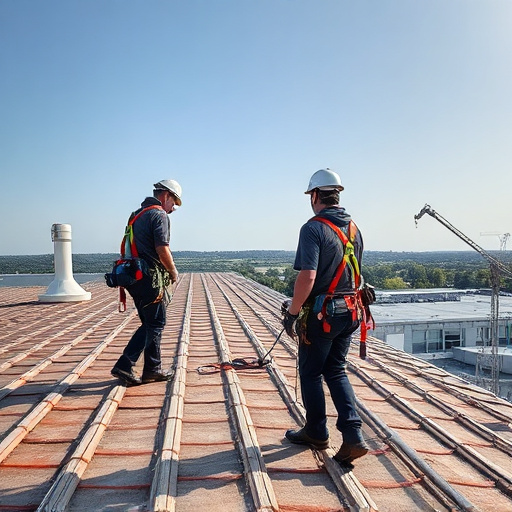
In the vibrant commercial landscape of options, property managers face a critical challenge: maintaining robust, leak-free roofs across multiple buildings. A single leak can lead to costly repairs, tenant dissatisfaction, and even safety hazards, not to mention the potential for grease damage in restaurants or curb leaks in rooftop HVAC systems. This article provides essential guidance on crafting effective roof care plans, addressing a range of commercial flat roof options, from TPO and spray foam to silicone coatings and built-up roofs. We'll explore how regular inspections, proactive maintenance, and strategic repairs, including skylight and smoke vent repairs, can extend the life of your roof, reduce cooling costs, and ensure business continuity.
- Assess Roof Condition Across Properties
- Develop a Maintenance Plan for Longevity
- Prioritize Repairs: Skylight & Vent Care
- Implement Green Solutions for Sustainable Roofs
Assess Roof Condition Across Properties
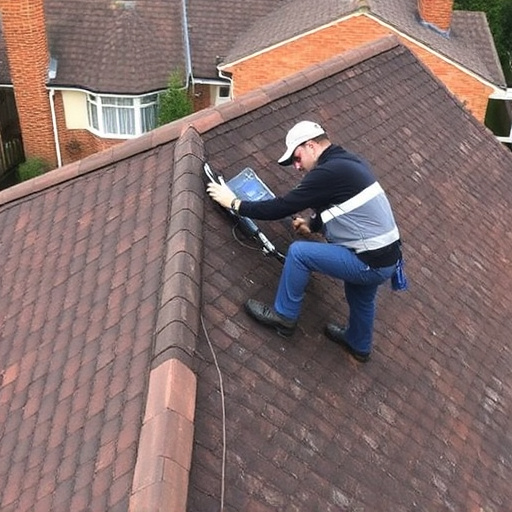
Assessing roof condition across multiple properties is a critical task for property managers. With responsibilities encompassing a diverse portfolio, from offices and shops to warehouses and strip malls, a thorough evaluation of each building's roofing system is essential. An experienced Tucson roof specialist recommends a systematic approach, considering both the unique challenges posed by the local climate-including the intense desert heat-and the specific needs of each structure.
One key aspect to evaluate is the condition of skylights and smoke vents. These openings, designed to let in natural light and vent hot air, can be vulnerable to damage from UV radiation, extreme temperatures, and even grease buildup, especially in commercial kitchens. Regular inspection and repair, including replacing damaged flashing and sealing cracks, are crucial to prevent water intrusion and maintain the structural integrity of the roof. A thorough assessment might uncover a need for tapered insulation around these vents, which helps control temperature and reduce energy costs.
Property managers should pay close attention to the overall condition of the roofing materials. Different materials, such as TPO, foam roofs, built-up roofs, and coated roofs, have varying lifespans and maintenance requirements. Understanding the specific needs of each material type, as well as the benefits of cooler roofs and rooftop units, can significantly impact long-term savings. By incorporating cool roof technologies and optimizing ventilation, property managers can lower building cooling costs and contribute to a more sustainable environment.
For each property, a detailed maintenance plan should be developed, outlining regular inspections, repair schedules, and replacement timelines. This proactive approach ensures that roof asset management aligns with the overall facility management strategy, enhancing the longevity of the roofing systems and minimizing disruptions to tenants. By following these practices, property managers can ensure that their buildings in Southern Arizona remain protected against the elements and maintain optimal performance for years to come.
Develop a Maintenance Plan for Longevity

For property managers overseeing multiple buildings, developing a robust maintenance plan is key to ensuring the longevity and functionality of each structure's roof. A well-structured plan not only extends the life of the roofing system but also prevents costly repairs and interruptions to tenants. This involves a combination of regular inspections, proactive maintenance, and efficient repair strategies.
One critical aspect often overlooked is the condition of skylights and smoke vents. These openings are vital for natural light and ventilation but can be susceptible to damage from the harsh desert heat and seasonal weather changes. A Tucson roofer with an Arizona ROC license recommends scheduling periodic checks to ensure these areas are sealed properly, preventing leaks that could lead to significant water damage and mold growth. A modified bitumen roof with a poorly maintained skylight may develop a leak, causing extensive interior damage and necessitating a full roof replacement.
Regular maintenance also includes applying roof coatings to protect against ultraviolet rays and extreme temperatures. Silicone coatings, for example, offer superior flexibility and resistance to chemical spills, a common concern in industrial areas. By implementing these measures, property managers can significantly extend the life of their roofs, reducing the need for costly replacements. A well-planned maintenance schedule, coupled with prompt repairs like fixing roof hatches and scuppers, ensures the buildings remain in top condition, enhancing their value and appeal to tenants.
Prioritize Repairs: Skylight & Vent Care
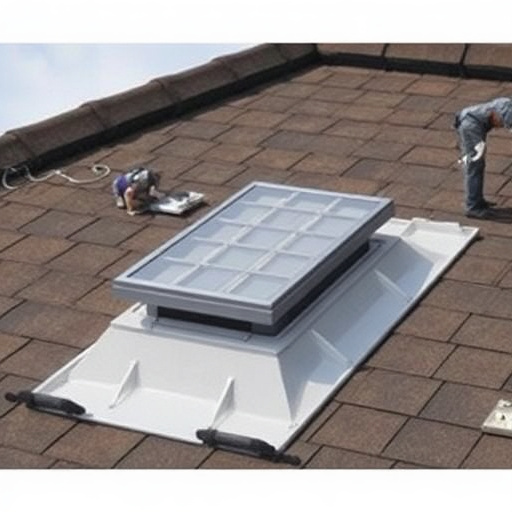
For property managers overseeing multiple buildings, prioritizing roof care involves a strategic approach, especially when addressing skylights and vents. These areas are often overlooked, yet they play a critical role in the overall integrity of the roof system. Skylights and vents, while serving essential functions, are susceptible to damage from elements like UV radiation, extreme temperatures, and debris buildup, leading to leaks and reduced energy efficiency.
Regular inspections should identify any signs of distress, such as cracked or broken glass in skylights or clogged vents. In the Oracle Road corridor, where buildings often face intense desert heat and varying weather patterns, property managers should be vigilant about addressing ponding water issues around skylights and vents. This water accumulation can indicate poor drainage or flashing problems, which, if left unattended, could result in more significant damage and costly repairs. A licensed Tucson roofing contractor recommends sealing and repairing these areas to prevent water intrusion and ensure the longevity of the roof.
For repairs, the first line of defense is a silicone coating, which can seal and protect against UV damage, a common cause of skylight and vent failure. This cost-effective solution offers a temporary fix while planning a more permanent repair. Replacing broken vent screens with reinforced, mesh-like materials can prevent debris buildup and insect intrusion. Ensuring proper ventilation through these systems is crucial for maintaining optimal indoor air quality and reducing the risk of moisture-related damage.
Beyond repairs, a comprehensive roof care plan should include regular cleaning and maintenance. This proactive approach can extend the life of skylights and vents, as well as the entire roof system. By addressing these areas as part of a structured plan, property managers can ensure the continued protection of their buildings, which is especially important for commercial properties with multiple units, each with its unique roof asset management needs.
Implement Green Solutions for Sustainable Roofs
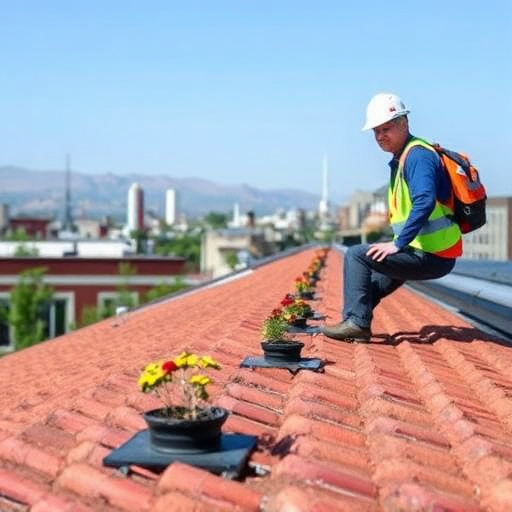
In the hot, dry climate of Downtown Tucson, property managers face unique challenges for roof care, especially for multiple buildings. Implementing sustainable roofing solutions not only benefits the environment but can also significantly reduce energy costs. One such solution is the integration of green technologies, focusing on both the roof's surface and its underlying structure.
Consider the application of cool roofs, which reflect sunlight and absorb less heat, thereby decreasing the building's interior temperature. This is particularly beneficial in Tucson's desert heat. Cool roofs can be achieved using materials like TPO (Thermoplastic Polyolefin) membranes, known for their durability and reflectivity. Built-up roofing systems, a common choice in the region, can be enhanced with a layer of reflective coating, further improving energy efficiency.
Skylight and smoke vent repair is another crucial aspect of sustainable roof management. These openings can be optimized to reduce heat gain while allowing natural light to enter, thus minimizing the need for artificial lighting. A licensed Tucson roofing contractor can advise on the best materials and designs to achieve these goals. Using energy-efficient skylights with automated controls can help regulate temperature and lighting levels, contributing to overall energy savings.
Regular maintenance and inspection are key to catching issues early, preventing costly repairs, and extending the life of the roof. This includes checking for leaks, especially around curbs, scuppers, and drains, which can lead to significant water damage. By implementing a comprehensive commercial roof maintenance plan, property managers can ensure the longevity of their roofs, keeping them in top condition for years to come.
Frequently Asked Questions About advice for property managers on roof care plans for multiple buildings
What is the most common type of roof damage property managers should look out for? Property managers should watch for signs of leaks, missing or damaged shingles, and discoloration or blisters on the roof surface. These are often indicators of age-related deterioration, weather damage, or poor installation. Regular visual inspections, especially after extreme weather events, can help identify these issues early, allowing for prompt repair or replacement to prevent further damage.
How often should roof inspections be conducted for multi-building properties? For multi-building properties, it's recommended to conduct thorough roof inspections at least twice annually, focusing on the peak seasons for weather-related damage. These inspections should include a walk-on assessment to check for visible damage and signs of wear, along with a visual scan from ground level. Documenting the condition of each roof during these visits is beneficial for tracking maintenance needs over time.
What are the benefits of a preventative roof maintenance program? Implementing a preventative roof maintenance program can extend the lifespan of roofs, reduce the risk of costly repairs or replacements, and lower insurance premiums. Regular cleaning, repair, and replacement of missing or damaged components can catch minor issues before they escalate. This proactive approach saves time, money, and hassle in the long run, ensuring the buildings remain well-maintained and safe.
How can property managers determine if a roof is due for replacement? Several factors indicate when a roof is due for replacement. These include the age of the building, previous repairs, the condition of the underlayment and shingles, and the results of regular inspections. If a roof is more than 20 years old, has had multiple repairs, or shows signs of significant wear and tear, replacement may be necessary. Consulting with a licensed roofer for a professional assessment can provide a clear picture.
What should property managers consider when choosing a roofing contractor? When selecting a roofing contractor, property managers should look for licensed, insured, and experienced professionals. Check for a proven track record, positive customer reviews, and specialized knowledge in the types of roofs on the property. Requesting references and obtaining multiple quotes ensures a fair and high-quality service. Verifying the contractor's ROC license is crucial for ensuring compliance with local regulations.
Can property managers reduce roof maintenance costs through energy-efficient designs? Absolutely. Implementing energy-efficient roof designs, such as reflective or cool roofs, can lower cooling costs and extend the roof's lifespan. These roofs reflect sunlight, absorb less heat, and reduce the load on HVAC systems. Many regions offer incentives for installing energy-efficient roofing materials, which can further offset the initial investment.
As property managers navigate the complex task of maintaining multiple buildings' roofs, a strategic approach becomes paramount. By assessing roof conditions across properties, implementing tailored maintenance plans, and prioritizing repairs, such as addressing skylight and smoke vent issues, managers can extend roof lifespans and reduce costly replacements. Incorporating green solutions further enhances sustainability, contributing to long-term cost savings and environmental stewardship. With a comprehensive care plan, managers can ensure the integrity of their assets, minimize disruption, and optimize the life cycle cost of their roofs. Armed with these insights, property managers are now equipped to make informed decisions, enhancing the overall resilience and value of their portfolios.
Property Managers: Prioritize Roof Care Across Multiple Buildings
Tucson property managers face diverse roof challenges. A systematic approach is key:
1. Inspect Skylights & Smoke Vents: Regularly assess these areas for damage from UV, heat, and grease buildup. Repair and seal cracks, replace flashing, and consider tapered insulation for temperature control.
2. Maintain Roofing Materials: Understand material lifespans and maintenance needs (e.g., TPO, foam, built-up roofs). Implement cool roof technologies and optimize ventilation for long-term savings.
3. Develop Detailed Maintenance Plans: Outline regular inspections, repair schedules, and replacement timelines. This proactive approach extends roof life, minimizes disruptions, and saves costs.
4. Sustainable Roofing Solutions: Integrate green technologies like cool roofs and energy-efficient skylights. Regular maintenance and repair, especially for leaks, are crucial for all buildings.