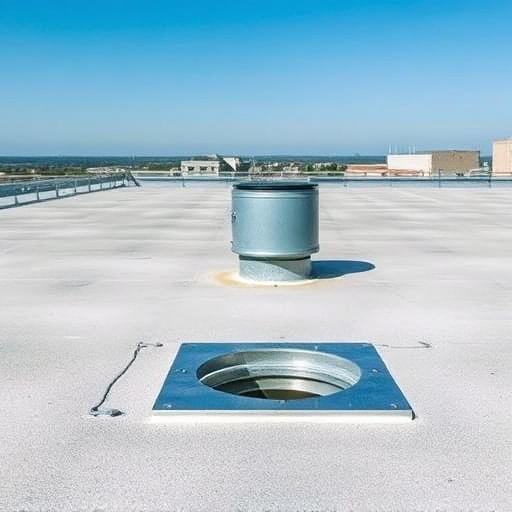
The commercial roofing landscape in Tucson presents unique challenges, especially for structures with rooftop HVAC units, drains, and parapet walls. These features often complicate traditional roofing work, leaving property managers with a pressing need for expert guidance. Without careful consideration, roof repairs and replacements can lead to costly damage, especially to HVAC systems and drainage structures, with potential for further complications and insurance claims for business roof damage. This guide offers a comprehensive solution, providing essential insights into navigating the complexities of roofing around these critical components, ensuring a secure, efficient, and cost-effective process.
- Planning: Assess HVAC, Drains, and Walls
- Preparation: Safety First, Coverage Next
- Execution: Techniques for Precise Repairs
- Protection: Insurance for Peace of Mind
Planning: Assess HVAC, Drains, and Walls
When planning any roofing project in Northwest Tucson, especially around rooftop HVAC units, drains, and parapet walls, a roofing contractor serving Tucson and Oro Valley recommends a thorough assessment. This involves close inspection of these critical components to ensure your commercial property is protected effectively against potential damage. Assess the condition of your HVAC unit's curb and surrounding area. Leaks at the curb can lead to significant water intrusion, causing damage to both the roof and the building's interior. Similarly, review the drainage system, including scuppers and roof drains. Blockages or inadequate drainage can result in water pooling on the roof, leading to structural issues and even mold growth.
Pay special attention to the parapet walls, which often bear the brunt of weather and age. These walls can be vulnerable to leaks, especially if not properly sealed or maintained. A qualified contractor will look for signs of deterioration, such as cracks or loose mortar, and recommend repairs or replacements as needed. Consider the roof's overall material and construction, especially if your building is older. Different roofing systems, such as TPO, foam roofs, or built-up roofs, have varying lifespans and maintenance requirements. Polyiso insulation, known for its R-value and durability, might be a suitable choice for enhancing energy efficiency.
In the planning phase, a roofing contractor can help you navigate the complexities of insurance claims for business roof damage. Understanding your policy and coverage limits is crucial. Some policies may require regular maintenance or specific repair methods to be eligible for reimbursement. By addressing these elements proactively, you can ensure a smoother claims process and potentially reduce out-of-pocket expenses. Regular inspections and maintenance plans, such as a commercial roof maintenance plan, can also help extend the life of your roofing system, minimizing the risk of costly repairs.
Preparation: Safety First, Coverage Next

When preparing for roofing work around rooftop HVAC units, drains, and parapet walls, safety should always be the top priority. This is especially crucial in commercial settings where the potential for accidents and damage is higher. Begin by ensuring that your roofing contractor is licensed and has a proven track record, like a trusted Tucson roofing contractor. They should also be insured for business roof damage, protecting your investment and providing peace of mind. Proper safety measures, including fall protection equipment and adherence to OSHA guidelines, are non-negotiable.
Next, consider the specific challenges these areas present. Rooftop HVAC units require careful handling to avoid damage, especially when using heavy equipment. Regular inspections should be conducted to identify any signs of leaks or damage. Ponding water around drains and scuppers is a common issue that can lead to structural problems over time. Proper drainage systems and materials, like spray polyurethane foam, can mitigate these issues. These advanced materials offer exceptional water resistance and can extend the life of your roof.
A licensed Arizona roofer specializing in commercial roofing could employ a multi-step process: first, assess the existing roof and drainage system, then implement temporary measures to protect the HVAC unit and parapet wall during renovation. This might involve setting up a safe work zone, using specialized equipment to avoid water damage, and regularly testing drainage systems to ensure their effectiveness. By prioritizing safety and the right coverage, you can ensure a successful and sustainable roofing project, even in challenging locations.
Execution: Techniques for Precise Repairs
When addressing repairs around rooftop HVAC units, drains, and parapet walls, precision is key. A licensed Arizona roofer with a deep understanding of these intricate systems is essential. In the hot desert climate of Tucson, where buildings often feature polyiso insulation for energy efficiency, the challenge is to fix issues without damaging surrounding materials. Repairing a scupper or roof drain involves careful work to prevent water intrusion, a common cause of structural damage and costly repairs.
A roofing contractor serving Tucson and Oro Valley, DC Roofing of Arizona, emphasizes the importance of detail-oriented execution. They recommend a systematic approach when addressing repairs around these features. First, inspect the entire roof for signs of damage, including leaks or discolored spots. Then, isolate the problem area. For an HVAC unit, this might mean securing the unit and temporarily sealing surrounding areas to contain any potential leaks. With drains and parapet walls, the focus is on sealing and repairing the specific point of failure.
In cases of roof grease damage, common in commercial kitchens, specialized coatings can prevent future issues. DC Roofing suggests silicone or acrylic coatings, known for their resistance to grease and UV damage. For built-up roof replacements, the contractor recommends a thorough assessment of the existing system, considering the building's age and local climate. In many instances, a modified bitumen or TPO (thermoplastic polyolefin) roofing system, known for its durability and flexibility, can be an excellent, cost-effective solution. These systems often have a longer lifespan than traditional options and can be more easily maintained.
Proper execution includes understanding the unique challenges of each repair. For a metal building roof retrofit, safety is paramount. The roofer must ensure proper fall protection and adhere to local regulations, especially in the Northwest Tucson area. In all cases, insurance for business roof damage should be considered. A well-planned, executed repair can extend the life of a commercial roof, saving businesses money in the long term.
Protection: Insurance for Peace of Mind

Protecting your business from unexpected roof damage is crucial, especially in areas like Downtown Tucson and Northwest Tucson where varying weather patterns can take a toll on your commercial property. This is where insurance for business roof damage matters in offering peace of mind and financial security. When considering roofing work around rooftop HVAC units, drains, and parapet walls, having the right coverage can ensure that repairs or replacements are seamless and don't disrupt your operations.
A polyiso insulation system, known for its excellent thermal properties, can significantly improve energy efficiency. However, if not installed correctly, it may be susceptible to damage from extreme heat or moisture. A comprehensive business roof damage insurance policy can cover such incidents, ensuring that repairs are covered without straining your budget. DC Roofing of Arizona, a trusted Tucson roofing contractor, recommends evaluating your current coverage to understand what's included and what gaps may exist. Many policies offer different levels of coverage, so understanding the specifics is essential.
As your business expands or you renovate older buildings, it's crucial to reassess your insurance needs. A multi-building roofing contract can provide tailored protection for each structure, taking into account unique risks and vulnerabilities. This is especially important when dealing with older buildings that might have historical or architectural significance, as these often require specialized materials and techniques for repairs. By ensuring adequate insurance, you can safeguard your investment and maintain the integrity of your commercial property.
Regular maintenance and inspections are also key to preventing damage and maximizing the life of your roof. A well-maintained roof can reduce the risk of leaks, grease damage common in restaurant roofs, and other issues that may lead to costly repairs. Partnering with a local roofing company that offers preventive care plans can help you stay ahead of potential problems. This proactive approach, combined with the right insurance coverage, will contribute to the long-term sustainability and safety of your commercial space.
Frequently Asked Questions About a guide to roofing work around rooftop HVAC units, drains and parapet walls
What is the most common challenge when installing or repairing a roof near HVAC units, drains, and parapet walls?
Navigating around these structural elements without damaging them or causing leaks is a common challenge. Proper planning and precise workmanship are crucial. We detail safe removal and reattachment procedures for each in our guide, minimizing disruption and risk.
How do I choose a roofing contractor familiar with these specific installations?
Look for contractors with experience in commercial roofing, who frequently work with these features. Check online reviews, ask for references, and verify their licensing and insurance. DC Roofing of Arizona, for instance, has extensive experience in the Tucson area serving these types of installations.
What safety precautions should be taken when working near drains and parapets?
Always wear appropriate personal protective equipment (PPE), including hard hats, safety glasses, and non-slip shoes. Ensure proper guardrails are in place around drains and parapets to prevent falls. Following safety protocols is paramount to avoid accidents.
Can I replace a damaged roof vent myself or do I need a professional?
While some roof vent replacements can be DIY, complex or hard-to-reach vents often require professional expertise. Improper installation can lead to leaks and damage. Our guide provides a detailed breakdown of vent types and installation methods to help you decide.
What factors affect the cost of roofing work around these features?
The complexity of the job, the size and condition of the roof, and the number of replacements or repairs involved all impact cost. Our guide offers a general overview of pricing, but for accurate estimates, consult a qualified contractor.
How do I maintain the functionality and longevity of my HVAC unit after roof work?
Regular cleaning and inspection of the unit are essential. After roof work, ensure proper sealing to prevent debris and moisture intrusion. Our guide offers tips for post-roofing maintenance to keep your HVAC system running smoothly.
As you've navigated this guide, you've gained invaluable insights into the intricate process of roofing work around rooftop HVAC units, drains, and parapet walls. By understanding the importance of assessing these elements before any work begins, prioritizing safety and coverage during preparation, employing precise techniques for repairs, and insuring against potential business roof damage, you've taken significant steps towards ensuring your commercial property's roof is both functional and secure.
The key takeaways are clear: planning is paramount, safety is non-negotiable, and the right execution can prevent costly and disruptive future repairs. Remember, a well-maintained roof is a building's first line of defense against the elements and a significant component of its overall life cycle cost.
Moving forward, consider these practical next steps: incorporate regular inspections into your property management routine, develop a comprehensive roof maintenance plan, and maintain open lines of communication with a trusted, licensed commercial roofing contractor in Southern Arizona. By doing so, you'll safeguard your investment, protect your business, and rest easy knowing your roof is in capable hands.
When planning roofing projects around HVAC units, drains, and parapet walls in Northwest Tucson, prioritize thorough assessments. Inspect crucial components like curbs, drainage systems, and parapet walls for vulnerabilities. Consider the roof's material and age for tailored maintenance and repairs. Engage a licensed roofing contractor for expert guidance, safety, and insurance claims assistance. Regular inspections and maintenance plans can extend your roof's life and reduce costs. Evaluate insurance policies for business roof damage to ensure coverage for unexpected repairs.