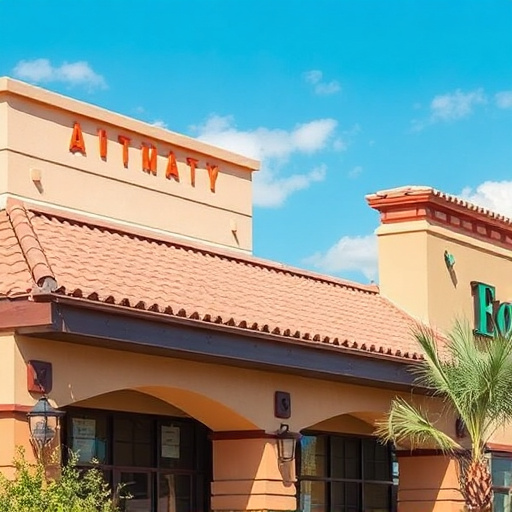
Keeping your business operational while replacing its roof is a critical yet challenging task, especially in cities like options where weather can be a factor. The problem lies in balancing the need for a secure, functioning space with the disruption of a significant construction project. This article provides a practical guide for business owners navigating roofing over occupied buildings. We'll explore practical solutions, from selecting suitable commercial flat roof options to planning for maintenance and minimizing downtime. By the end, you'll have a clear roadmap to ensure your business remains uninterrupted during the roof replacement process.
- Planning: Prioritizing Safety & Business Continuity During Roof Replacement
- Temporary Solutions: Natural Shoring for Occupied Buildings
- Contractor Selection: Choosing a Reputable, Licensed Roofer in Tucson
- Post-Renovation: Ensuring Waterproofing & Long-Term Roof Performance
Planning: Prioritizing Safety & Business Continuity During Roof Replacement
When a business needs to replace its roof, planning is crucial, especially if the building remains occupied. Roofing over occupied buildings requires careful coordination and consideration of safety and business continuity. First and foremost, prioritize the safety of occupants, employees, and the public. This includes assessing the condition of the existing roof, determining the extent of the work, and implementing appropriate safety measures. If the roof is severely damaged by weather or age, a temporary roof might be necessary during the replacement process to shield the building and its occupants from the elements.
A licensed Arizona roofer with an ROC license, such as DC Roofing of Arizona, should lead this project. They will create a comprehensive plan, ensuring minimal disruption to daily operations. This plan may involve scheduling the work during non-business hours, using access points that don't interfere with normal business activities, and implementing dust control measures. In commercial buildings with multiple tenants, each tenant's needs must be considered. If a warehouse has loading docks, these areas must be protected during the replacement process to maintain normal operations.
Polyiso insulation is a smart choice for roofing over occupied buildings as it offers excellent thermal performance, minimizing heat transfer through the roof. This can lower cooling costs, which is particularly important in the desert heat of Tucson offices, shops, and warehouses. A Tucson roofer with an ROC license can provide expert advice on rooftop units, ensuring they are correctly sized and installed for optimal energy efficiency. A well-planned, safe, and efficient roof replacement not only protects a business's physical assets but also its bottom line.
Temporary Solutions: Natural Shoring for Occupied Buildings
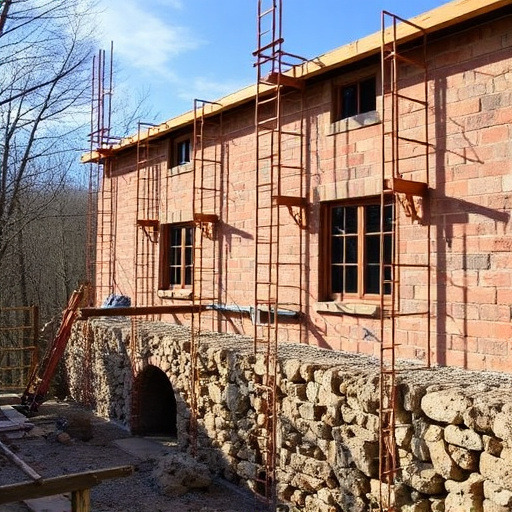
When a business needs a new roof, keeping the operation running while work is underway can feel daunting, especially for those with occupied buildings. Fortunately, there are natural and effective solutions to roofing over occupied buildings without shutting down your entire operation. These temporary solutions not only protect your property from the elements but also allow for minimal disruption to your tenants or customers.
One proven method is the use of natural shoring techniques. This involves installing temporary supports, like roof hatches or overhead structures, to create a safe, covered space while the new roof is being constructed. If your business includes rooftop units or equipment, these can be covered and secured, minimizing the impact on your operations. DC Roofing of Arizona, a licensed Tucson roofing contractor, understands the importance of minimizing downtime, especially in busy commercial areas. They employ these natural shoring techniques to ensure that, even while replacing flat roofs on multiple buildings, the properties remain fully functional.
Another key aspect is managing ponding water, which can occur during and after roof replacement due to temporary openings or changes in slope. Proper drainage systems and materials that resist water penetration are essential to prevent leaks and damage. This is especially critical in a desert climate like Tucson, where extreme heat can accelerate the drying process, requiring careful consideration of materials and installation techniques. By addressing these details proactively, businesses can maintain a safe and operational space throughout the roofing process, ensuring continuity and minimizing the financial impact of downtime.
Contractor Selection: Choosing a Reputable, Licensed Roofer in Tucson
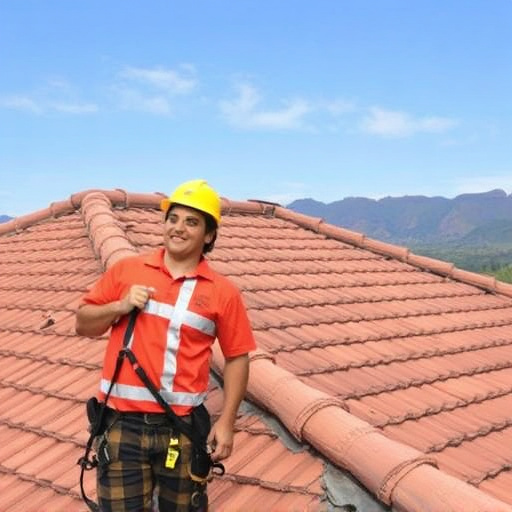
Keeping a business operational during roof repairs can seem daunting, especially when dealing with the unpredictable nature of weather in Southern Arizona. One of the most crucial decisions in this process is selecting a contractor. In Northwest Tucson, where businesses range from strip malls to office buildings, choosing a reputable, licensed roofer is essential for a smooth transition.
When considering a commercial roofing contractor, such as a licensed Tucson roofing contractor from DC Roofing of Arizona, look for those holding a valid Arizona ROC license (1). This ensures they meet the industry standards and have the necessary expertise to handle your roof's unique needs. With a diverse portfolio, a roofer specializing in various commercial roofing systems, like TPO, foam roofs, or coated roofs, can offer tailored solutions. TPO (thermoplastic olefin) membranes are a popular choice for their durability and versatility, suitable for many types of buildings.
The process of roofing over occupied buildings requires meticulous planning. Start by getting multiple quotes from different contractors to compare prices and services. Check their references and past projects to gauge their experience and work ethic. A reputable contractor should provide a detailed plan, outlining the scope of work, materials, timelines, and any potential disruptions to your business operations. Regular communication and clear expectations are vital during the project, ensuring everyone is aligned on the goals and ensuring the job is completed to your satisfaction.
Post-Renovation: Ensuring Waterproofing & Long-Term Roof Performance
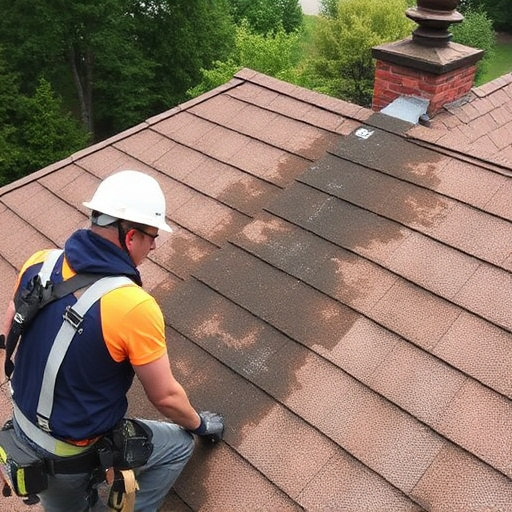
After the roof replacement project is complete, ensuring the new roofing system performs well and protects the business from water damage is paramount. This is especially critical when roofing over occupied buildings, as any leak or waterproofing issue can disrupt daily operations and lead to costly repairs. A local Tucson roofing company recommends a multi-step approach to guarantee long-term roof performance.
First, inspect the entire roof for any signs of weakness or damage, focusing on areas around rooftop units, roof hatches, and the perimeter. These are common spots for leaks to originate. Addressing these areas with a specialized acrylic elastomeric coating can enhance the overall waterproofing and flexibility of the roof, mitigating potential problems. A TPO roof with a silicone roof coating has proven effective in preventing water intrusion, even under the intense desert heat.
Regular maintenance plays a crucial role in extending the life of any roofing system. After the renovation, implement a structured maintenance plan that includes routine inspections and repairs. Keep an eye out for scupper and roof drain issues, as these can lead to serious water damage if left unaddressed. By implementing proactive measures and addressing any concerns promptly, businesses can maintain a safe, dry environment for their tenants and customers, ensuring the investment in the new roof yields maximum benefits.
Frequently Asked Questions About an explainer on keeping a business open while its roof is being replaced
What if my business roof is severely damaged, is it still possible to keep it operational? Yes, even in cases of severe damage, it is often feasible to maintain business operations while the roof is replaced. This may involve temporary repairs, reconfiguration of workspace, or even relocation to a nearby site for essential functions. DC Roofing of Arizona, for instance, specializes in emergency roof repairs and can often stabilize a situation to buy time for a full replacement.
How long will the roof replacement process take, and can I keep my business open during this time? Most roof replacements in the Tucson area take one to two days, though complex installations may take slightly longer. To keep your business open, you can expect a temporary disruption to normal activities, but with careful planning, operations can usually continue in a limited capacity. If your business is a retail store, you may need to close for a few hours each day to allow for work, but can still operate during off-peak times.
What safety measures should I take to ensure my employees and customers are safe during the roof replacement? Safety is paramount during roof replacements. Ensure that all workers are certified and wear appropriate safety gear, including hard hats, safety harnesses, and eye protection. Close off areas that are not being worked on to prevent unauthorized access, and clearly communicate the temporary layout of your business to employees and customers. Regular safety inspections should be conducted by both your business and the roofing contractor to maintain a safe environment.
How can I minimize disruption to my business operations during the roof replacement? Minimizing disruption requires careful coordination with your roofing contractor. Schedule the work for off-peak times whenever possible, and consider temporary solutions like setting up a portable office or using adjacent spaces for essential operations. Keep open lines of communication with your employees and customers about the expected changes and any temporary closures. DC Roofing of Arizona offers flexible scheduling to accommodate the needs of its clients and minimize business interruptions.
What if I have a tight budget and need to find the most cost-effective way to replace my roof while keeping my business open? Discuss your budget with the roofing contractor upfront. They can offer advice on cost-saving measures, such as choosing more affordable materials or applying for relevant grants or rebates. Maintaining a well-documented history of your roof's condition can help negotiate costs. Remember, while the goal is to keep expenses low, prioritize safety and the longevity of your roof to avoid future, more costly repairs.
As a Tucson business owner, understanding the process of roof replacement and its impact on your operations is crucial. By prioritizing safety and business continuity, you can ensure a smooth transition during renovations. Implementing temporary solutions, such as natural shoring for occupied buildings, demonstrates your commitment to keeping your premises functional. Selecting a reputable, licensed roofer in Tucson, like DC Roofing of Arizona, is essential for a successful project. Post-renovation, focusing on waterproofing and long-term roof performance ensures your investment is protected. These key insights empower you to navigate roof replacement, maintain operations, and safeguard your business's future, all while keeping your customers and employees safe.
When replacing a roof over an occupied building, prioritize safety and minimal disruption. Hire a licensed Arizona roofer like DC Roofing of Arizona for a comprehensive plan. This includes:
- Assessing the existing roof and implementing safety measures.
- Scheduling work during non-business hours and protecting access points.
- Considering each tenant's needs, especially in commercial buildings.
- Using polyiso insulation for superior thermal performance and lower cooling costs.
- Sourcing expert advice on rooftop units for optimal energy efficiency.
Natural solutions for roofing over occupied buildings:
- Temporary Shoring: Install supports like roof hatches or overhead structures to create a safe, covered workspace.
- Water Management: Implement proper drainage systems to prevent leaks and water damage, crucial in a desert climate.
Post-replacement maintenance:
- Inspection & Repair: Regularly inspect the roof for weaknesses, addressing issues promptly.
- Coatings & Sealants: Apply specialized coatings for enhanced waterproofing, especially in TPO roofs.
- Proactive Maintenance: Implement a structured maintenance plan to prolong the roof's life and protect the business.