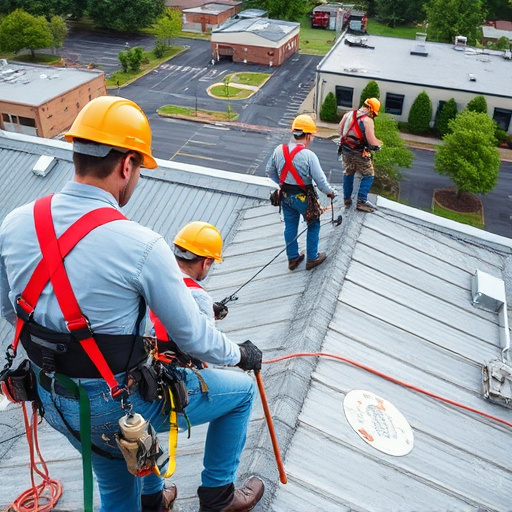
In the competitive landscape of Tucson's commercial real estate, tenant improvement roofing plays a crucial role in attracting and retaining tenants. With a diverse range of options, from TPO and foam roofs to built-up and coated systems, making the right choice can significantly impact a business's bottom line and operational efficiency. This article examines the benefits, drawbacks, and longevity of each roof type, offering practical insights for Tucson property managers and business owners. We'll explore how the right roofing decision can lower cooling costs, protect against grease damage common in restaurant roofs, and ensure business continuity during roof replacements, all while considering the unique climate and challenges of Southern Arizona.
- Understanding Tucson's Roofing Options: TPO, Foam, Built Up, and Coated
- Evaluating TPO: Advantages and Applications for Tenant Improvement Roofing
- Exploring Foam Roofing: Benefits, Installation, and Longevity Considerations
- Built Up vs. Coated: Choosing the Right System for Your Commercial Property
Understanding Tucson's Roofing Options: TPO, Foam, Built Up, and Coated
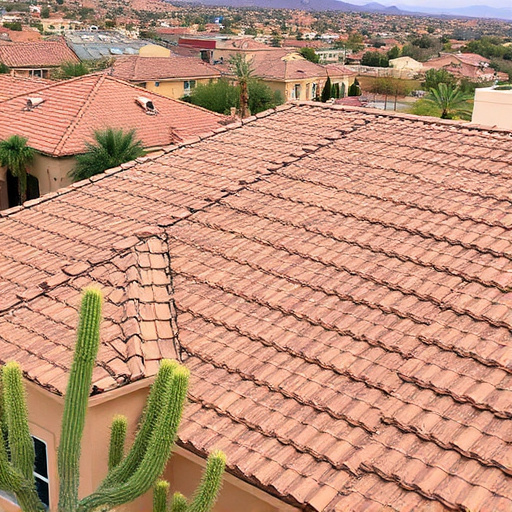
Tucson's commercial flat roofs present a diverse array of options, each with unique characteristics and benefits suited to different business needs. When considering tenant improvement roofing-a common requirement for expanding or renovating commercial spaces-a deep understanding of these materials is crucial.
In Southern Arizona's hot desert climate, materials like TPO (thermoplastic olefin) offer exceptional heat resistance and durability. TPO's flexibility allows for easy installation on complex roof designs, making it a popular choice for strip malls and office buildings. It also provides excellent resistance to UV rays, preventing premature aging, which is a common issue with other materials under the intense Tucson sun. For businesses aiming to lower building cooling costs, TPO's reflective properties can significantly reduce heat transfer, leading to energy savings.
While TPO is a popular choice, other options like polyiso foam insulation and PVC membrane have their merits. Polyiso insulation, known for its superior R-value, provides excellent thermal efficiency, making it an energy-conscious choice. Its rigid structure lends itself well to large, flat roofs, such as warehouse and industrial spaces. On the other hand, PVC membranes, renowned for their longevity and resistance to chemicals, are a top pick for restaurant roofs to prevent grease damage. For buildings with multiple units, like HOAs or churches, a coated roof might be ideal. Silicone coatings, for example, offer superior protection against UV rays, extreme temperatures, and chemical splashes, ensuring a long-lasting finish.
When making a decision, businesses should consider not just the initial installation costs but also long-term maintenance and life cycle costs. An experienced Tucson roof specialist recommends assessing each material's performance, warranty terms, and local climate conditions. While TPO and PVC membranes require minimal maintenance, coated roofs may need regular touch-ups, adding to the overall budget. Regular inspections and a well-planned roof asset management strategy can help extend the life of any roofing system, ensuring business continuity during any tenant improvement projects or roof replacements.
Evaluating TPO: Advantages and Applications for Tenant Improvement Roofing
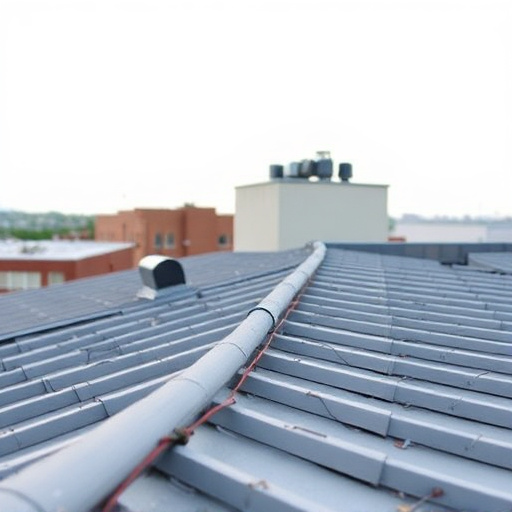
When considering options for tenant improvement roofing in Tucson, TPO (thermoplastic olefin) roofing stands out as a highly effective and versatile material. Its advantages are numerous: TPO is lightweight, making installation easier and reducing structural load, and it's highly durable, with excellent resistance to both UV degradation and extreme weather conditions, common in the desert heat of Southern Arizona.
One of TPO's key benefits for tenant improvement projects is its adaptability. It can be used in a variety of applications, from office buildings to strip malls and warehouses. TPO can effectively seal around scuppers and roof hatches, preventing leaks around these critical components, as well as around HVAC curbs, a common point of vulnerability on many commercial roofs. This makes TPO a smart choice for businesses looking to modernize their facilities without a complete roof replacement.
A roofing contractor serving Tucson and Oro Valley can help guide property managers through the process, offering expert advice on the best TPO system for their specific needs. Planning for tenant improvement roofing with TPO involves considering the existing roof structure, the building's age, and the desired lifespan of the new roof. With a well-planned TPO installation, businesses can expect a roof that not only enhances the building's aesthetics but also offers significant cost savings over the long term. By prioritizing TPO for tenant improvement projects, Tucson businesses can achieve both an effective and efficient roofing solution.
Exploring Foam Roofing: Benefits, Installation, and Longevity Considerations
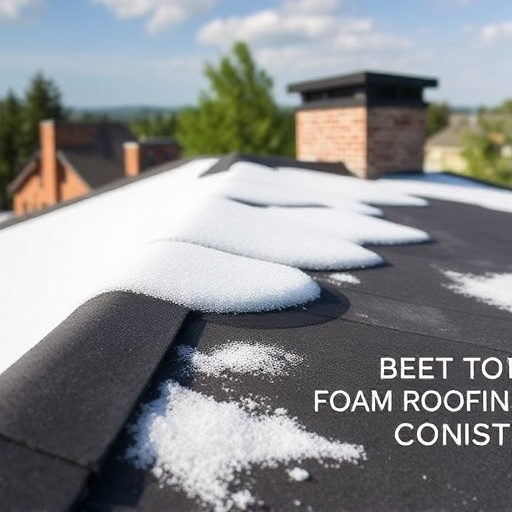
Foam roofing has emerged as a popular choice for Tucson businesses seeking efficient and durable commercial flat roof solutions. This lightweight, rigid foam insulation material offers exceptional thermal performance, making it an excellent option for tenant improvement projects where energy efficiency and cost savings are paramount. Unlike traditional built-up or coated roofs, foam roofs require less structural support, simplifying installation and reducing material costs.
The installation process for foam roofs involves specialized equipment, such as a spray machine, to apply the material evenly across the roof deck. This method is swift, typically taking just one to two days, and minimizes disruption to the business operating below. Once cured, the foam forms a seamless, continuous barrier, effectively sealing the roof against leaks. Polyiso insulation, a type of closed-cell foam, provides excellent water resistance and can withstand extreme temperatures, making it suitable for the desert heat of Southern Arizona. A licensed Arizona roofer with experience in foam roofing can ensure proper installation, which includes detailing around fixtures like skylights and scuppers.
While foam roofs offer numerous benefits, their longevity depends on several factors. Proper installation is crucial, as is regular maintenance. Over time, the foam can be affected by UV exposure, foot traffic, or changes in temperature, leading to potential degradation. However, with the right care, foam roofs can last 20 years or more. Regular inspections and a comprehensive commercial roof maintenance plan can help identify issues early, ensuring the roof remains in top condition. Regular cleaning and sealing can protect against grease damage commonly found in restaurant roofs or curb leaks around HVAC systems. When considering a tenant improvement roofing project, consulting with a roofing contractor specializing in foam and TPO systems can help businesses make an informed decision, balancing initial costs with long-term savings and durability.
Built Up vs. Coated: Choosing the Right System for Your Commercial Property
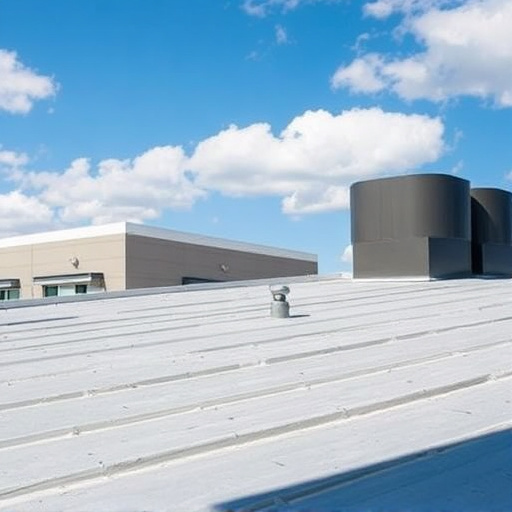
When considering tenant improvement roofing for your commercial property in Downtown Tucson, a crucial decision involves choosing between a built-up or coated roofing system. Both options offer durability and longevity, but they have distinct characteristics that can significantly impact your building's performance and maintenance.
Built-up roofs, characterized by multiple layers of heavy materials, including bitumen and aggregate, are a traditional favorite in Southern Arizona. They're known for their strength and resilience against extreme temperatures and weather patterns common to our desert heat. However, their thickness and weight make them less suitable for older buildings or those with structural constraints. Built-up roofs also require more regular maintenance, as they can be prone to cracking, which can lead to leaks. A licensed Tucson roofing contractor may recommend periodic inspections and repairs to ensure the integrity of these systems.
Coated roofs, on the other hand, offer a lighter alternative. They typically involve applying a reflective coating to a polyiso insulation base, which helps to lower cooling costs by reflecting heat. This makes them an energy-efficient choice, especially in warm climates. Coated roofs are generally easier to install over occupied buildings due to their lightweight nature. They can extend the life of the underlying roof, delaying the need for replacement. An experienced Tucson roof specialist might highlight the long-term savings and reduced downtime associated with coated roofs, especially in multi-building contracts, where regular roof asset management can be crucial.
When deciding between these systems, consider your building's structural capacity, your budget, and long-term operational goals. If energy efficiency is a priority, a coated roof might be the better choice. Conversely, if your building has structural limitations, a built-up roof could be the more reliable option. Consulting with a commercial roofing contractor familiar with Tucson's climate and local building codes can provide invaluable insights tailored to your specific needs.
Frequently Asked Questions About a Comparison of TPO, Foam, Built-Up and Coated Roofs for Tucson Businesses
What are the key differences between TPO, foam, built-up, and coated roofs?
These roofing systems vary significantly in materials, construction, and performance. TPO (Thermoplastic Polyolefin) is a single-ply membrane known for its durability, flexibility, and resistance to UV rays and chemicals. Foam roofs, often made of polyurethane or polyisocyanurate, offer exceptional insulation and lightweight construction. Built-up roofs consist of multiple layers of bitumen and reinforcement fabric, providing a strong, low-maintenance option. Coated roofs involve applying a reflective coating to an existing roof surface, primarily for energy efficiency and protection against UV damage. Each system has unique advantages and is suited to different building types and climates.
Which roof type is the most cost-effective for Tucson businesses?
The most cost-effective option depends on various factors. Generally, coated roofs and foam roofs are more affordable to install due to their simplified application processes and lightweight materials. TPO and built-up roofs might be slightly more expensive but offer longer lifespans and superior durability, potentially reducing long-term replacement costs. A thorough assessment by a licensed Tucson roofing contractor, like DC Roofing of Arizona, can help determine the most economical solution based on your specific needs and budget.
How long do each of these roof types typically last?
- TPO: Known for its exceptional durability, TPO roofs can last 20-30 years or more with proper installation and maintenance.
- Foam: Foam roofs usually have a lifespan of 15-30 years, depending on the insulation value required and environmental conditions.
- Built-up: Built-up roofs can withstand 20-30 years or more, offering excellent resistance to punctures and weathering.
- Coated: The lifespan of a coated roof varies; the reflective coating can extend the life of the underlying roof by 10-15 years or more.
Which roof type is best for energy efficiency in Tucson's hot climate?
In a hot climate like Tucson's, reflective coated roofs are often the best choice for energy efficiency. The reflective coating helps bounce sunlight and heat away from the building, reducing the need for air conditioning. This can lead to significant energy savings for businesses. Foam roofs are also excellent insulators, but coated roofs provide an additional layer of heat protection.
Are there any maintenance considerations for each roof type?
All roofs require some level of maintenance. TPO and foam roofs generally need minimal upkeep, just periodic inspection and cleaning. Built-up roofs may require more frequent checks due to their multiple layers, but they are still low-maintenance. Coated roofs should be inspected for any cracks or peeling in the coating, which can void warranties. Regular maintenance, including cleaning and repairing any issues, is crucial for all roofing systems to ensure optimal performance and longevity.
Can TPO and coated roofs handle heavy snow and rain in Tucson?
TPO and coated roofs are designed to handle a range of weather conditions, including heavy rainfall and snow. TPO's flexibility allows it to withstand movement and expansion without tearing, while the reflective coating of a coated roof can reduce snow buildup, lessening the weight on the structure. However, during extreme weather events, it's essential to consult with a local roofing expert, like a licensed Arizona roofer, to ensure proper installation and reinforcement to meet local building codes.
Tucson businesses have a range of flat roof options tailored to their unique needs, each with distinct advantages. Understanding these variations is key to making informed decisions, especially when considering tenant improvement roofing.
TPO, a versatile material, excels in lowering building cooling costs and is well-suited for roofing over occupied buildings, making it a top choice for many commercial properties. Foam roofing, known for its lightweight and high R-value, offers excellent insulation and longevity, ideal for warehouse and strip mall applications.
When deciding between built-up and coated roofs, consider the property's lifespan and maintenance preferences. Built-up systems provide a robust, long-lasting solution, while coated roofs offer a cost-effective alternative with regular maintenance.
The right roofing system can significantly impact a Tucson business's bottom line and operational efficiency. By evaluating these options and considering tenant improvement roofing, businesses can make strategic decisions that enhance their facilities and protect their investments.
Tucson businesses face diverse commercial flat roof options for tenant improvement projects. TPO is a popular choice for its heat resistance, flexibility, and UV protection, suitable for various structures. Polyiso foam insulation offers superior thermal efficiency, ideal for energy-conscious buildings. PVC membranes are durable and chemical-resistant, good for restaurants. Coated roofs provide UV and temperature protection, extending underlying roof life.
When choosing, consider initial costs, long-term maintenance, and climate conditions. TPO and PVC membranes require minimal upkeep, while coated roofs may need regular touch-ups. An experienced Tucson roofing contractor can guide selection, installation, and maintenance for optimal roof asset management.