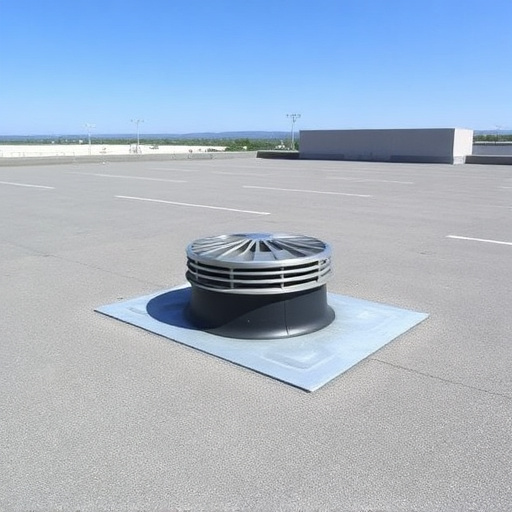
In the vibrant commercial landscape of Tucson offices, shops, and warehouses, a robust and reliable roof system is not just an asset-it's a necessity. Yet, as these structures age, their roofs face a relentless adversary: the desert heat and the wear and tear of everyday use. This demands a strategic approach to maintenance and repair, especially when addressing scupper and roof drain fixes-a key component in ensuring water doesn't become an unwanted intruder. This article offers a comprehensive, practical guide to navigating the complex world of commercial roof systems, providing vital insights into materials, budgeting, maintenance, and more, to help you protect and optimize your investment.
- Understanding Commercial Roof Systems in Tucson
- Choosing the Right Materials for Longevity
- Scupper and Drainage: Preventing Water Damage
- Installation, Maintenance, and Natural Fixes
Understanding Commercial Roof Systems in Tucson
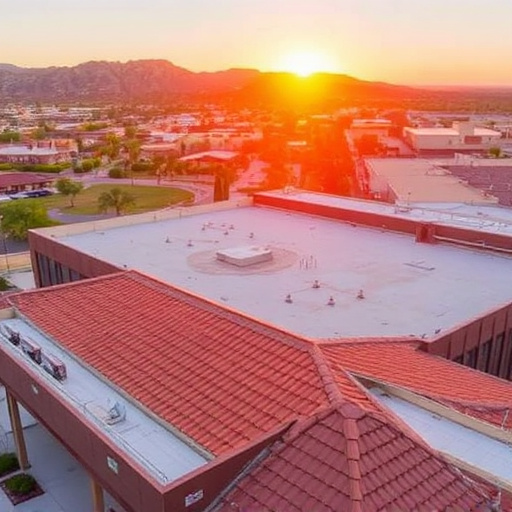
The diverse climate of Tucson presents unique challenges for commercial roof systems. As the sun beats down on Downtown Tucson's flat roofs, effective ventilation and insulation become crucial to mitigate heat transfer and lower cooling costs. Many businesses in this desert environment struggle with roof leaks, especially around scuppers and roof drains, which can be exacerbated by heavy monsoon rains. The City of Tucson's building codes and permits play a vital role in ensuring these structures meet safety standards and are designed to withstand the area's specific conditions.
For commercial roofing, several durable options are available. TPO (thermoplastic olefin) roofing, for instance, is a popular choice for its flexibility, puncture resistance, and ease of repair. Foam roofs offer excellent insulation properties, reducing energy costs, while built-up roofs, consisting of multiple layers, provide exceptional strength and longevity. Coated roofs, such as those with silicone or acrylic coatings, add another layer of protection against UV rays and extreme weather. DC Roofing of Arizona, a local expert, often recommends tapered insulation for commercial buildings to improve energy efficiency and roof longevity, especially in structures with multiple stories.
Regular maintenance, including scupper and roof drain fixes, is essential to prevent damage and extend the life of any roof system. A comprehensive maintenance plan should account for the unique challenges posed by Tucson's climate and the specific type of roofing material used. A warehouse in Oro Valley might require more frequent inspections due to its large size and exposure to intense desert sunlight, while an office building in the heart of downtown could benefit from a different approach to address leaks around HVAC curbs and scuppers. Planning and budgeting for roof asset management should consider the life cycle cost of each option, ensuring businesses make informed decisions that align with their long-term goals.
Choosing the Right Materials for Longevity

When selecting materials for commercial roofs in Tucson's arid climate, longevity and durability are paramount. A well-chosen roofing system can significantly extend the life of your structure, reducing replacement costs and maintenance headaches. A local Tucson roofing company knows that the right materials can mitigate the challenges posed by desert heat, UV exposure, and heavy rainfall.
One key aspect to consider is the effectiveness of the drainage system. Proper scupper and roof drain fixes are essential to prevent water damage. In a region with intense sun and occasional thunderstorms, materials that resist absorption and offer good drainage are crucial. Modified bitumen roofing, known for its durability and flexibility, can be combined with a high-performance drain system to ensure water quickly sheds from the surface.
Cool roofs are another option gaining popularity in Tucson. These systems enhance energy efficiency by reflecting solar radiation, reducing the need for excessive air conditioning. Acrylic elastomeric coatings, for example, offer excellent solar reflectance while providing a durable, protective layer. By choosing materials with these properties, building owners can lower building cooling costs and extend the life of their roofing system. Some cool roof systems come with extended warranties, further underscoring their longevity.
Scupper and Drainage: Preventing Water Damage
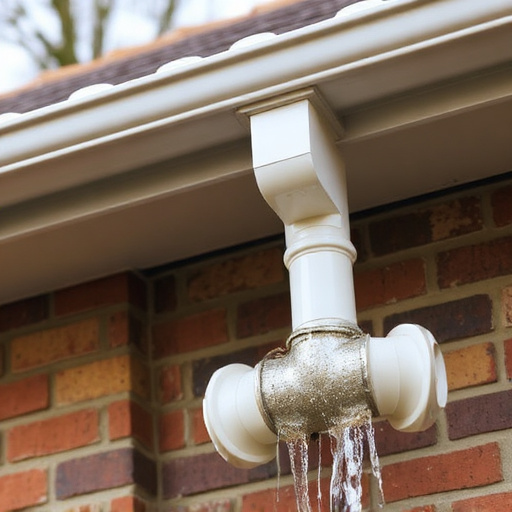
In commercial roofing, especially in Tucson's desert heat, water management is paramount to prevent damage and ensure the longevity of roofs. Scupper and roof drain fixes are critical components of this system, designed to divert water away from the building structure and reduce the risk of leaks and moisture-related issues. A common problem, particularly in flat roofs, is the accumulation of water due to improper drainage, leading to potential structural damage and costly repairs.
Effective scupper and drain solutions involve strategic placement and the use of specialized materials. Tapered insulation can be implemented to create a slope, guiding water to drains. Polyiso insulation, known for its superior water resistance, can also be integrated into the roofing system to enhance drainage performance. Cool roofs, a growing trend in the region, can further aid in water management by reflecting sunlight and reducing heat absorption, thereby decreasing the overall temperature of the building and the roof. A roofing contractor serving Tucson and Oro Valley recommends these strategies to clients, emphasizing the importance of proper drainage and insulation to prevent water damage.
Regular inspections and maintenance are key to identifying and addressing drainage issues early. This includes checking for clogs, ensuring scuppers are free of debris, and verifying the integrity of the drain system. By implementing these measures, commercial property managers can significantly extend the life of their roofs and avoid costly repairs associated with water damage. A thorough inspection might reveal a simple blockage causing a small leak, easily fixable during routine maintenance. Proactive care ensures that scupper and drain fixes are addressed promptly, protecting the investment in the roof and the building it covers.
Installation, Maintenance, and Natural Fixes
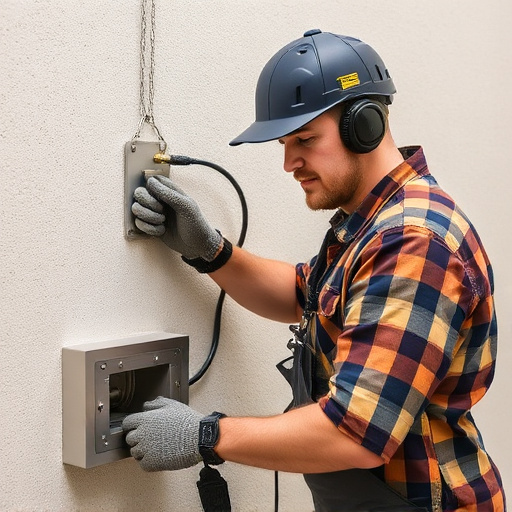
The installation, maintenance, and natural fixes of commercial roof systems in Tucson's Oracle Road corridor demand a deep understanding of local conditions and the specific needs of offices, shops, and warehouses. In this arid climate, selecting materials and designs that resist heat, UV damage, and extreme temperature fluctuations is paramount. The region's intense sunlight necessitates the use of reflective materials to lower building cooling costs, a key consideration for tenants.
Regular maintenance, including thorough inspections and prompt repairs, is crucial for extending the life of any roof. A licensed Tucson roofing contractor recommends establishing a comprehensive roof care plan that addresses scuppers and roof drains. These essential components, designed to divert water away from the building, require regular cleaning to prevent clogs and water damage. In the Oracle Road corridor, where many buildings house multiple tenants, efficient drainage systems are not only vital for structural integrity but also for maintaining indoor air quality and minimizing the risk of grease damage commonly seen in restaurants.
When leaks do occur, prompt action is essential. Instead of opting for costly replacements, consider roof coating, a cost-effective alternative. Silicone or acrylic coatings can extend the life of existing roofs by sealing leaks and protecting against UV degradation. A built-up roof replacement can be avoided by applying a modified bitumen coating, suitable for warehouses and strip malls. In the case of scupper and roof drain fixes, a well-maintained system can prevent significant water intrusion, leading to costly interior damage and business disruptions.
A strategic approach to roof asset management, incorporating regular inspections and preventative measures, can reduce long-term maintenance costs. By prioritizing scuppers and roof drains, property managers can ensure the integrity of their commercial structures, enhancing the overall value of their Tucson properties.
Frequently Asked Questions About a Practical Guide to Commercial Roof Systems on Tucson Offices, Shops, and Warehouses
What types of commercial roof systems are most common in Tucson?
Tucson's commercial roofs often feature flat or low-slope systems due to the region's hot, arid climate. These include built-up roofs (BUR), modified bitumen (MB), and single-ply membranes like EPDM and TPO. DC Roofing of Arizona, a local Tucson roofing company, commonly installs these systems, considering factors like durability, cost, and local weather conditions.
How long do commercial roof installations typically take?
Most commercial roof installations in Tucson can be completed within one to two days, depending on the building's size and the chosen system. A licensed Arizona roofer like DC Roofing ensures efficient work, minimizing disruptions to business operations.
What is the best way to maintain a commercial roof in Tucson?
Regular inspection (at least semiannually) and prompt repair of any issues are crucial. Tucson's roofing contractors recommend maintaining a clean roof surface, checking drainage systems, and applying reflective coatings to reduce heat absorption during the hot summers.
What should be considered when choosing a roofing contractor for a commercial property?
When selecting a roofing contractor, consider their experience, licensing (like ROC), insurance coverage, and warranties.
Are there local regulations that affect commercial roof installations?
Yes, Tucson and Arizona have building codes and regulations that govern commercial roofing. Contractors must adhere to these standards, which cover aspects like material choices, safety procedures, and energy efficiency. A local roofing specialist like DC Roofing is familiar with these codes, ensuring compliance.
What are the environmental benefits of modern commercial roof systems?
Modern systems, especially those with reflective or green features, can significantly reduce a building's energy consumption, lowering operating costs. They can extend the roof's lifespan and provide additional insulation, contributing to a more sustainable and efficient commercial space.
As commercial property managers in Tucson know, a robust and well-maintained roof is critical to the success of offices, shops, and warehouses. By understanding the city's specific climate and choosing the right materials, such as TPO, foam, or coated roofs, property managers can ensure longevity and minimize maintenance costs over the long term. A key aspect of this is addressing scupper and drainage issues, which can prevent costly water damage. Regular inspections and timely repairs, including fixes for scupper and roof drains, are essential to maintaining the integrity of the roof and the building below.
The article has highlighted the importance of proactive maintenance and planning. Implementing a commercial roof maintenance plan and asset management strategies can significantly extend the life of the roof and lower cooling costs. When it comes time for replacement, careful consideration of coating versus replacement options, along with a well-managed project, ensures business continuity with minimal disruption.
The practical advice offered in this guide equips Tucson property managers to make informed decisions, optimize their roof systems, and protect their investments. By following these strategies, including proper scupper and roof drain fixes, they can contribute to the overall success and sustainability of their commercial properties.
Tucson Commercial Roof Systems: A Practical guide
Tucson's diverse climate presents unique challenges for commercial roofs. Effective ventilation and insulation are crucial to mitigate heat transfer and lower cooling costs. Regular roof maintenance, focusing on scupper and drain fixes, prevents damage and extends system life.
Key Considerations:
- Durable Materials: TPO, foam roofs, built-up roofs, and coated roofs (silicone/acrylic) offer various benefits tailored to Tucson's conditions.
- Water Management: Strategic scupper placement, tapered insulation, and high-performance drains are essential to prevent water damage.
- Longevity & Cost-Effectiveness: Cool roofs and roof coatings extend system life, lowering long-term costs.
- Maintenance Planning: Regular inspections and preventative measures, including scupper and drain fixes, reduce maintenance expenses and protect investments.