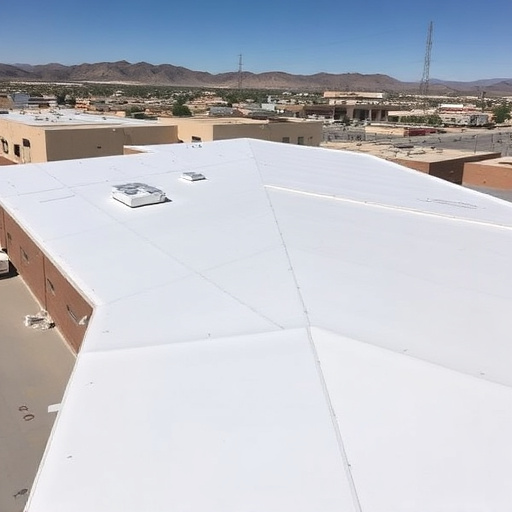
In the bustling commercial landscape of "options"-think shops, warehouses, and offices-flat roofs are a prevalent yet often overlooked asset. These roofs play a crucial role in energy efficiency, structural integrity, and property value. However, they also demand specialized care, especially around rooftop HVAC units, drains, and parapet walls. These areas are vulnerable to damage from heat, moisture, and heavy equipment, leading to costly leaks and repairs. This guide navigates the complex world of commercial flat roof options, offering practical insights for property managers. We'll explore how the right materials, such as TPO, foam, or coated roofs, can extend the life of these critical components while minimizing disruption to business operations, including tenant improvements and roof asset management.
- Planning: Prioritizing Safety & Access Around HVAC Units
- Demolition & Prep: Removing Old Roofs Near HVAC & Walls
- Installation: Choosing & Placing Commercial Flat Roof Options
- Finishing Touches: Drainage, Flashing, & Parapet Wall Protection
Planning: Prioritizing Safety & Access Around HVAC Units
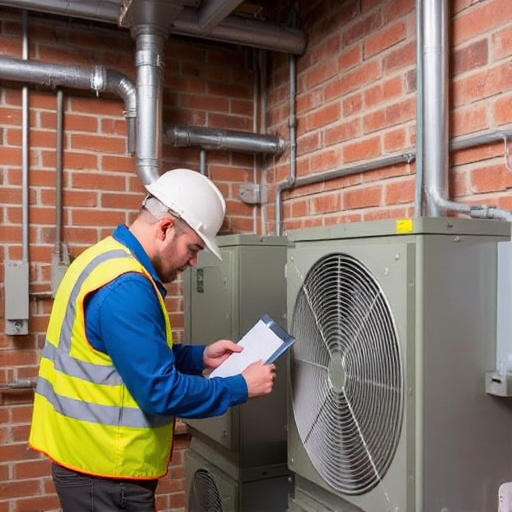
When planning roofing work around rooftop HVAC units, drains, and parapet walls, safety and access must be prioritized. In commercial flat roof options, these elements can pose unique challenges. HVAC units often require specific clearance for airflow, while drains and scuppers need to be situated to prevent water damage. A Tucson roofer with an Arizona ROC license should assess these factors before initiating any work.
One critical consideration is the placement of roof drains and scuppers. Proper drainage is essential to prevent water saturation, which can lead to structural damage and mold growth. Scuppers, or roof drains, should be strategically positioned to direct water away from the building's foundation and adjacent structures. The use of solar-reflective materials in these areas can help lower cooling costs by reducing heat absorption.
Access to the rooftop for maintenance and repairs is another vital aspect. HVAC units often require regular service to ensure optimal performance. A roofer should install or modify access points, such as ladders or platforms, that comply with safety standards. A fixed ladder placed near a scupper can provide safe access for routine maintenance while minimizing the impact on building operations. Regular inspections and a well-planned maintenance schedule are key to preserving the integrity of these systems.
Before initiating any roofing project, a comprehensive assessment of the rooftop environment is crucial. A Tucson roofer should account for the size and configuration of HVAC units, the placement of drains and scuppers, and the structural integrity of the parapet walls. By considering these factors, the roofer can develop a tailored plan that ensures both the safety of the workers and the longevity of the building's roofing system. This strategic approach will also help in budgeting and planning, as it can significantly impact the overall project timeline and costs.
Demolition & Prep: Removing Old Roofs Near HVAC & Walls
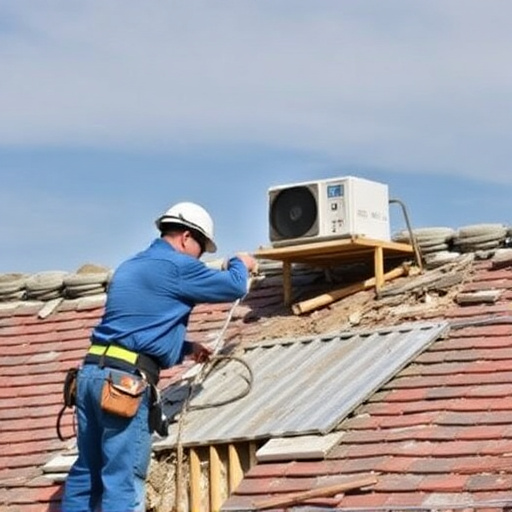
When removing an old roof near HVAC units, drains, and parapet walls, meticulous preparation is key to a successful commercial flat roof project. A roofing contractor serving Tucson and Oro Valley will often encounter these challenges, requiring specialized techniques to ensure a solid foundation for new roofing materials. The process begins with a thorough inspection to assess the condition of the existing roof, HVAC curbs, and walls. This includes identifying any damage caused by grease from restaurants, extreme desert heat, or leaks from scuppers and drains.
Demolition involves carefully removing the old roofing material, whether it's TPO, spray foam, or built-up roofs. A licensed Arizona ROC contractor will use tools like electric saws to cut through the old roof while minimizing damage to the surrounding structure and HVAC units. Once the old roof is removed, the contractor will inspect and prepare the deck, ensuring it's clean, dry, and free of debris. This step is crucial for the long-term performance of the new roof, especially in a hot climate like Tucson's.
Next, attention turns to the HVAC curbs and parapet walls. These areas often require special care due to their proximity to the roof. The contractor may use a process called "back-nailing" to remove old nails and screws, ensuring the new roof is properly attached. In some cases, an acrylic elastomeric coating may be applied to the deck before installing new roofing materials, offering additional protection against leaks and extending the life cycle cost of the roof. Proper preparation at this stage is vital for preventing future issues, such as rooftop HVAC curb leaks or scupper and drain leaks, which can cause extensive damage to the building.
Installation: Choosing & Placing Commercial Flat Roof Options
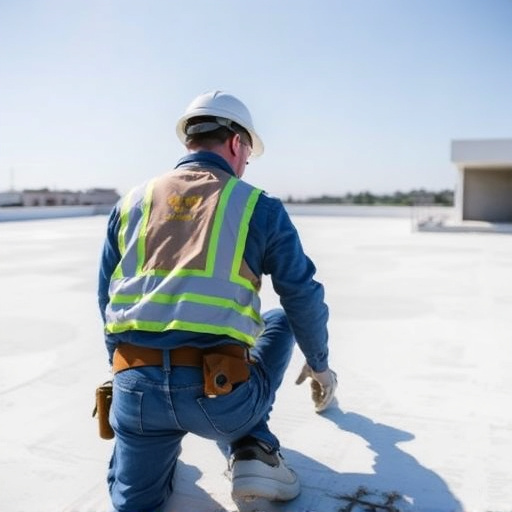
When selecting and installing commercial flat roof options, especially in the unique environment of Downtown Tucson, considerations go beyond the standard. The heat and sun-drenched landscape demand durable materials that can withstand the stress of extreme conditions. A skilled contractor like DC Roofing of Arizona will guide you through the process, ensuring your roof serves your building for years to come.
A popular choice for commercial applications in our region is the PVC membrane. This versatile material offers superior strength, flexibility, and resistance to both UV degradation and chemical corrosion, making it a smart pick for structures like warehouses and strip malls. Installation involves careful preparation of the substrate, followed by the placement of underlayment and the membrane itself, sealed at joints and laps for maximum protection.
Underneath the membrane, incorporating polyiso insulation can further enhance energy efficiency. Its lightweight, rigid foam core provides excellent thermal resistance, helping regulate indoor temperatures and lowering cooling costs. This is particularly beneficial for churches, schools, and HOA clubhouses, where maintaining a comfortable learning and social environment is paramount.
Placing your roof around critical components like rooftop HVAC units, drains, and parapet walls requires meticulous planning. Skilled contractors will assess the structure's load-bearing capacity and consider the weight of the chosen roofing system. For scuppers and roof drains, ensuring they're properly sealed and functional is crucial to prevent leaks, a common issue in our arid climate. With careful design and installation, options can provide a durable, long-lasting, and energy-efficient solution for your Tucson property.
Finishing Touches: Drainage, Flashing, & Parapet Wall Protection
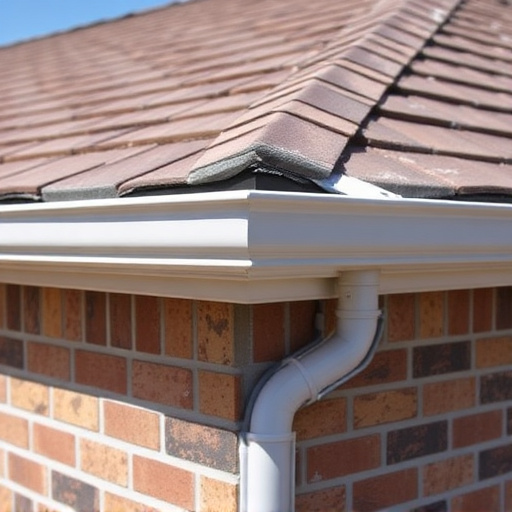
When finishing off a commercial flat roof, proper drainage, flashing, and parapet wall protection are crucial details that often require meticulous attention. These final touches are essential to prevent water ponding, which can lead to serious issues like roof decay, mold growth, and even structural damage. Let's examine each component and explore why each is vital for a durable and long-lasting roof.
Effective drainage systems, such as roof drains and scuppers, are designed to direct water away from the building's perimeter, ensuring water doesn't pool on the roof or seep into vulnerable areas. In desert climates like Tucson, where intense sun and wind can accelerate evaporation, a well-designed drainage system helps regulate temperature and prevents rapid drying of the roof surface. This is particularly important with certain roofing materials, like TPO or modified bitumen, which are susceptible to damage from rapid temperature changes.
Flashing, a thin layer of waterproof material, serves as the final barrier against water intrusion around roof penetrations, including HVAC units, drains, and parapets. A licensed Arizona roofer understands the importance of proper flashing installation to prevent leaks, especially in areas exposed to harsh weather conditions. When installing a new HVAC unit, flashing should be used to seal the gap between the unit and the roof, ensuring that water cannot seep in behind the unit.
Parapets, walls that surround the roofline, require special attention due to their exposed position. They must be protected from the elements to prevent corrosion and ensure their structural integrity. This protection often involves specialized coatings or treatments to safeguard against UV radiation, wind, and moisture. Silicone or acrylic roof coatings can provide an extra layer of defense, guarding against leaks and extending the life of the roof system, which is particularly beneficial for businesses aiming to lower their commercial roof life cycle costs.
Frequently Asked Questions About a guide to roofing work around rooftop HVAC units, drains and parapet walls
What are the key considerations when performing roofing work near rooftop HVAC units? When working on a roof near HVAC units, safety is paramount. Ensure proper access and protection for the technicians and the equipment. Temporarily shield the HVAC unit from potential debris and damage. Coordinate with the HVAC contractor to minimize disruption and ensure the unit's functionality post-work. Regular communication and clear planning are crucial to avoid conflicts.
How do I prepare for roofing work near drains to prevent clogs or damage? Before any work begins, inspect drains for debris or blockages. Remove any trash or debris to prevent clogs. Protect the drains from potential impacts during work. Consider using temporary covers or shielding to safeguard them. Regular maintenance and cleaning of drains can also help, ensuring they remain functional throughout the roofing process.
What special precautions should be taken around parapet walls? Parapets require meticulous care during roofing work. Ensure workers are trained to work safely at heights and understand the importance of securing tools and materials to prevent falls. Keep the parapet wall clean and free from debris that could fall. Regularly inspect the wall for any signs of damage or weakness before and after work.
What is the typical timeline for roofing projects involving these elements? The duration depends on various factors, including the roof's size, complexity, and local weather conditions. Most installations take one to two days, but larger or more intricate projects could extend this timeframe. Effective planning and communication with your roofing contractor can help manage expectations and ensure a smoother process.
How can I ensure my roofing project adheres to local codes and regulations? It's essential to work with a licensed and insured roofing contractor familiar with local building codes. They will ensure your project complies with regulations. Always check with your local building department for specific requirements, as codes can vary. Staying up-to-date with these regulations protects both your property and the professionals involved.
What should I do if my rooftop HVAC unit is damaged during the roofing process? Immediate notification is crucial. Inform your roofing contractor and the HVAC service provider about the damage. Document the incident and the extent of the damage for insurance purposes. A quick response can help expedite the repair process and ensure minimal disruption to your comfort and home functionality.
This guide has offered a comprehensive overview of the intricate process of roofing work around critical components of commercial buildings in "options." From prioritizing safety and access during planning to the meticulous installation of options, each step is vital to ensure long-lasting protection. Understanding the unique challenges posed by rooftop HVAC units, drains, and parapet walls is essential for property managers and contractors alike. By following best practices in demolition and preparation, choosing the right materials for various structures, and implementing effective finishing touches, such as proper drainage and flashing, buildings can mitigate risks and reduce maintenance costs. This article has underscored the importance of regular inspections and thoughtful maintenance plans, which can extend the lifespan of these critical systems and structures. With these insights, readers are now equipped to navigate complex roofing projects, ensuring safe, efficient, and durable solutions for "options" across the region.
When tackling options, especially in Tucson, prioritize safety and access for HVAC units, drains, and parapet walls. A licensed roofer should assess these elements, plan for proper drainage and flashing, and protect parapet walls to ensure a durable, long-lasting roof. This strategic approach, from initial assessment to final touches, is key to budget management and system longevity.