Arizona's diverse climate presents unique challenges for commercial roofing Tucson professionals. Key considerations include moisture management, UV damage, and compliance with building codes. Strategic solutions involve regular inspections, proper ventilation, and advanced technologies. Licensed contractors specialize in durable materials like metal roofing, navigating complex codes to offer energy-efficient designs and leak prevention, ensuring roofs last 20-30% longer. Selecting a contractor requires verification of licensing, insurance, experience handling Tucson's weather conditions, and clear communication of business needs for tailored solutions.
The roof is a building’s first line of defense against Arizona’s extreme weather conditions, from scorching summer heat to relentless winter storms. For commercial properties, choosing the right roofing contractor is paramount to ensuring structural integrity and long-term investment value. Navigating the landscape of licensed roofing contractors in Tucson can be challenging, with numerous options offering varying levels of expertise tailored to this unique climate. This article delves into the critical factors when selecting a specialist for commercial roofing Tucson, providing guidance to ensure a robust and resilient roof that stands the test of time.
- Understanding Arizona's Unique Roofing Challenges
- Licensing Requirements for Roofing Contractors in AZ
- Expertise in Commercial Roofing Tucson: Specialization Matters
- The Role of Climate in Choosing the Right Roofing Materials
- Ensuring Quality and Safety: Industry Standards in AZ
- Top Tips for Hiring a Reputable Commercial Roofing Contractor
Understanding Arizona's Unique Roofing Challenges
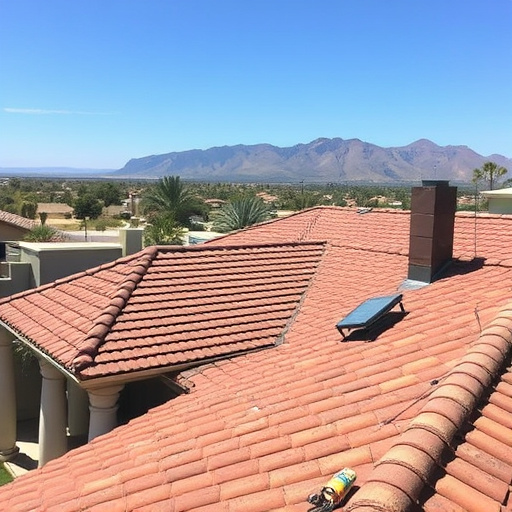
Arizona’s unique climate presents specific challenges for roofing contractors, particularly those specializing in commercial roofing Tucson. The state’s hot, dry summers and cold winters demand roofing systems that can withstand extreme temperatures and varying precipitation patterns. One of the primary concerns is moisture management; excessive heat can cause materials to expand and contract, leading to potential leaks. Additionally, snow and ice accumulation during winter months add weight to rooftops, requiring robust structural support.
The region’s abundant sunlight also poses a risk, accelerating the deterioration of roofing materials. UV rays can weaken shingles, metal panels, and membranes, resulting in premature failures. Commercial roofing Tucson experts must select materials designed for durability under such conditions, often opting for reflective or energy-efficient options to mitigate heat absorption. Furthermore, navigation through Arizona’s labyrinthine building codes and regulations is essential for ensuring compliance and obtaining necessary permits, especially when dealing with older structures.
Business roof solutions in this climate demand a strategic approach. Experts recommend regular inspections to identify and address issues early, such as missing or damaged shingles or flashing. Implementing proper ventilation systems is crucial to regulate interior temperatures, extending the lifespan of roofing materials. Additionally, staying informed about industry advancements enables contractors to offer cutting-edge technologies like self-healing membranes and smart sensors that can detect anomalies and predict maintenance needs, ensuring a resilient commercial roofing system in Tucson’s unique environment.
Licensing Requirements for Roofing Contractors in AZ
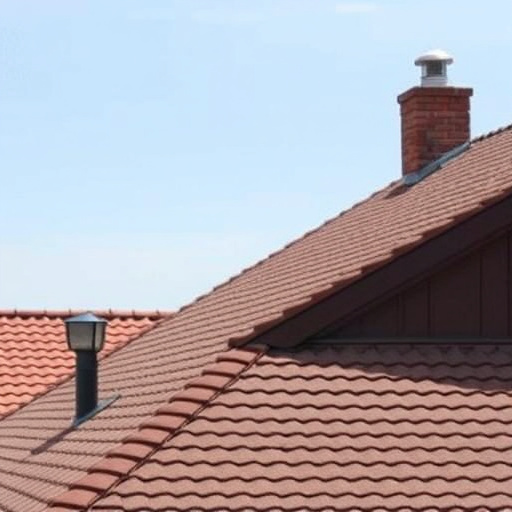
In Arizona, licensing requirements for roofing contractors are stringent to protect homeowners and ensure quality workmanship. Commercial roofing Tucson professionals must obtain a contractor’s license from the Arizona Secretary of State, which involves background checks and proof of financial responsibility. This process guarantees that only qualified individuals and companies can offer their services in the state. Additionally, Arizona requires contractors to be bonded, ensuring clients are protected against any financial losses resulting from poor workmanship or non-compliance with building codes.
One key aspect for roofing specialists is staying up-to-date with local building codes and industry standards, as these can change frequently. For instance, Arizona has specific regulations regarding energy efficiency and sustainable building practices, particularly in commercial roofing solutions. Contractors must demonstrate knowledge of these guidelines to obtain their license and maintain it through ongoing education and training. This ensures that business roof solutions in Tucson are not only compliant but also incorporate the latest advancements in roofing technology.
To excel in this competitive market, licensed contractors should focus on developing a comprehensive understanding of various roofing systems and materials suitable for the Arizona climate. This includes expertise in both residential and commercial roofing applications. By specializing in products that offer durability, energy efficiency, and fire resistance, professionals can cater to the diverse needs of clients. For example, metal roofing has gained popularity due to its longevity and ability to withstand harsh weather conditions characteristic of Tucson’s desert environment. Licensed contractors who specialize in these areas will be well-positioned to provide superior business roof solutions while meeting the specific requirements of Arizona’s unique climate.
Expertise in Commercial Roofing Tucson: Specialization Matters
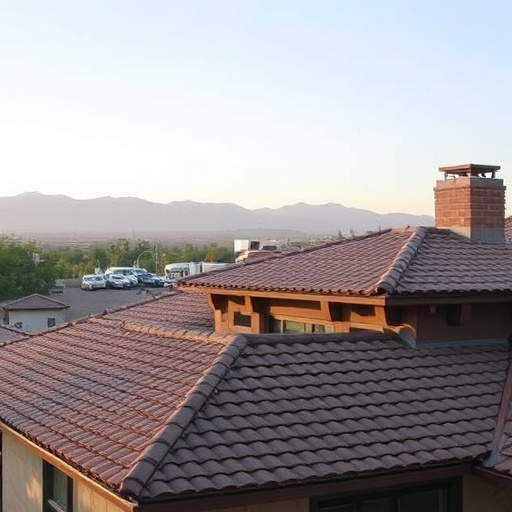
In the Arizona climate, where extreme temperatures and varying weather patterns are the norm, commercial roofing Tucson requires specialists who understand these unique challenges. Commercial roofs in this region face significant stress from intense sunlight, rapid temperature changes, and occasional severe storms. Businesses investing in new or replacement roofs must prioritize contractors with deep expertise tailored to this specific environment.
Licensed roofing contractors specializing in Arizona climates possess a keen understanding of the local market and its demands. They know how to select the most durable materials resistant to intense UV radiation and high winds. For example, using reflective membranes can help mitigate heat absorption, reducing interior cooling costs while extending roof life. Furthermore, these specialists are equipped to navigate complex building codes and regulations specific to Arizona, ensuring compliance and peace of mind for property owners.
Beyond material selection and code adherence, experts in commercial roofing Tucson offer valuable insights into energy-efficient design and leak prevention strategies. They can recommend systems that incorporate ventilation and insulation, improving building efficiency while mitigating the risk of heat-related damage. Regular maintenance and thorough inspections are also paramount. Contractors who provide comprehensive business roof solutions include these services as part of their package, ensuring long-term performance and value for investment. Data from industry sources suggests that roofs maintained by specialists last 20-30% longer than those without expert care, translating to significant cost savings over time.
The Role of Climate in Choosing the Right Roofing Materials
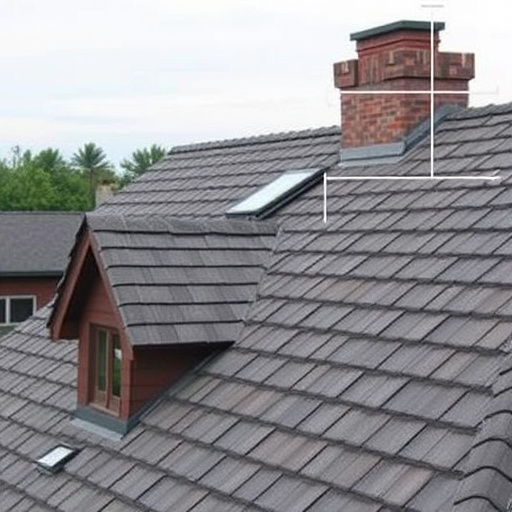
The Arizona climate presents unique challenges for roofing contractors, demanding materials that can withstand extreme heat, cold, and occasional desert storms. Commercial roofing Tucson businesses must carefully select materials to ensure longevity and performance in this specific environment. The role of climate in choosing the right roofing solutions cannot be overstated; it dictates not just the durability of the roof but also its energy efficiency and maintenance requirements.
For instance, in a region with high UV exposure, like Arizona, traditional asphalt shingles may deteriorate faster due to accelerated aging from sunlight. Metal roofing has gained popularity for its superior resistance to such conditions. Its reflective properties can also help lower cooling costs during the summer months, aligning with sustainability goals for businesses. Additionally, metal roofs are highly durable and require less maintenance over time, making them a cost-effective choice for commercial properties in Arizona.
Moreover, considerations like wind load and snow accumulation should factor into material selection. Tucson’s occasional severe weather events necessitate roofing systems that can withstand strong winds, while the potential for heavy snowfall in higher elevations requires adequate roof drainage to prevent water damage. Choosing materials with proven performance in similar climates is crucial. Business roof solutions should be tailored to meet local building codes and ensure safety against extreme weather events. By understanding the intricate relationship between climate and roofing, commercial property owners in Tucson can make informed decisions, leading to long-lasting, efficient, and safe roofs.
Ensuring Quality and Safety: Industry Standards in AZ
In Arizona’s diverse climate, commercial roofing Tucson presents unique challenges. Licensed roofing contractors specializing in this region must adeptly navigate extreme heat, intense storms, and dramatic temperature swings to ensure quality and safety. Industry standards here are stringent, reflecting the need for robust, long-lasting roof solutions that can withstand the test of time—and weather.
Business roof solutions in Arizona must adhere to strict building codes and incorporate climate-specific materials and designs. For instance, reflective roofing underlies many commercial structures to mitigate the urban heat island effect, reducing interior temperatures and energy costs. Additionally, contractors often employ cool roofs, designed to absorb less solar radiation, thereby lowering cooling demands during scorching summers. These measures not only contribute to sustainable building practices but also ensure the longevity of the roof, vital in a state prone to sudden, severe weather events.
Expertise lies in integrating these standards seamlessly with cutting-edge technologies and materials. Advanced drainage systems, for example, are crucial in diverting rainwater, preventing leaks, and mitigating flood risks. Contractors should favor high-quality, durable materials resistant to corrosion, UV damage, and the constant expansion and contraction caused by Arizona’s extreme temperatures. Regular maintenance and prompt repairs further bolster safety and quality, extending the lifespan of commercial roofs. By embracing industry best practices and staying abreast of regional climate trends, licensed roofing contractors can deliver superior business roof solutions tailored to Arizona’s unique requirements.
Top Tips for Hiring a Reputable Commercial Roofing Contractor
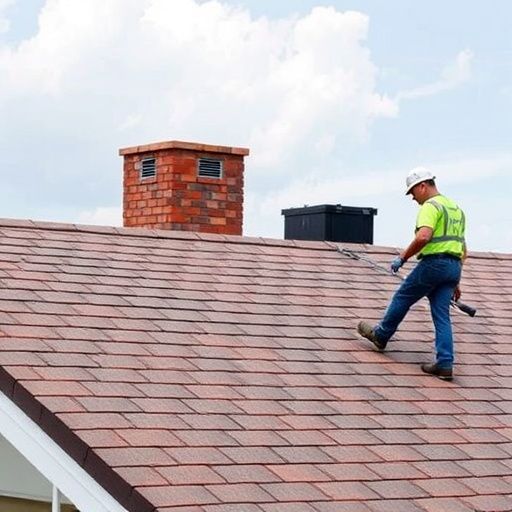
When navigating the complex landscape of commercial roofing Tucson, engaging a reputable contractor is paramount for a successful project. With Arizona’s diverse climate posing unique challenges, selecting a licensed roofing contractor specializing in these conditions is essential. This expert insight offers valuable tips to ensure you make an informed decision when hiring a commercial roofing contractor in Tucson.
First, verify their licensing and insurance. A legitimate contractor should hold a current license specific to Arizona, demonstrating compliance with local regulations. Additionally, ensure they carry adequate insurance coverage for worker’s compensation and general liability, protecting both your business and the contractor’s employees. In this high-risk industry, these measures are non-negotiable.
Second, assess their expertise in handling Tucson’s climate conditions. Arizona’s extreme heat, cold snaps, and occasional severe storms require specialized knowledge and equipment. Look for contractors with experience managing such weather patterns and a history of successful projects in similar environments. For example, efficient ventilation systems and reflective materials are crucial to prevent heat-related damage during the summer months.
Third, request references and examples of previous work. Reputable contractors will gladly provide a portfolio showcasing their capabilities. Reviewing completed projects allows you to gauge their craftsmanship, attention to detail, and adherence to industry standards. Online reviews from satisfied clients can also offer valuable insights into their professionalism and reliability.
Lastly, communicate your specific business roof solutions needs clearly. A competent contractor should actively listen, ask relevant questions, and provide tailored recommendations. They should demonstrate expertise in various commercial roofing systems, offering solutions that align with your business’s unique requirements. Whether it’s a flat roof repair or a complex metal roofing installation, ensure they have the skills and resources to deliver exceptional results.
By delving into Arizona’s specific roofing challenges, licensing requirements, and the significance of climate-appropriate materials, this article underscores the importance of choosing licensed commercial roofing contractors specializing in Tucson’s unique conditions. Key takeaways include the need for expertise in local building codes, understanding regional weather patterns influencing material selection, and prioritizing industry standards for quality and safety. Readers now possess valuable insights to navigate the process of hiring reputable professionals for their commercial roofing needs in Tucson, ensuring long-lasting and resilient solutions tailored to Arizona’s climate.