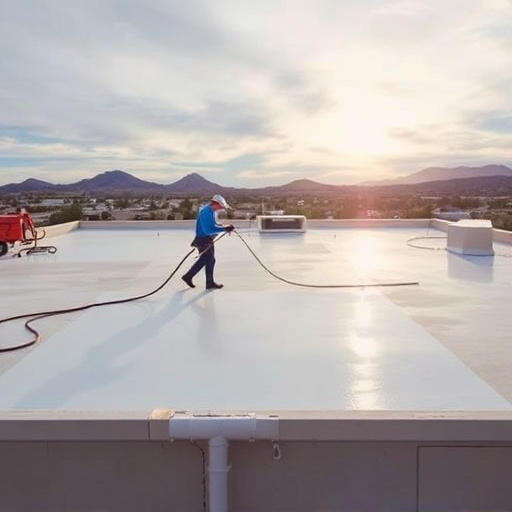
This site covers commercial roofing in Tucson for property managers, building owners and facility teams: which roof systems suit desert buildings, where commercial roofs usually fail, and how to plan repairs and replacements without disrupting tenants or operations. The articles below go into individual topics. This page is the overview.
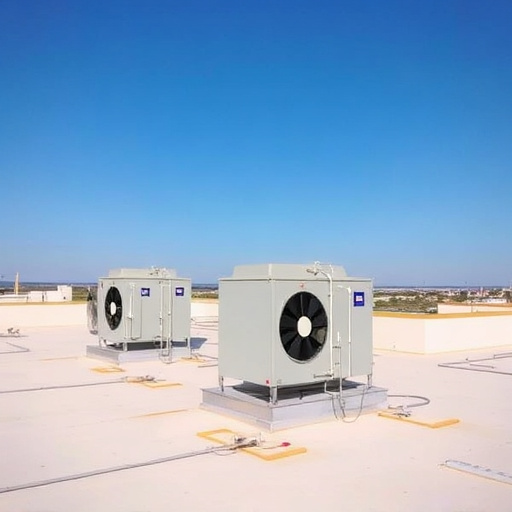
Most commercial buildings in Tucson have low-slope roofs crowded with equipment: HVAC units, evaporative coolers, exhaust fans, skylights and drains. That equipment, and the people who walk across the roof to service it, causes as many problems as the weather does.
Common commercial roof systems in Tucson
- TPO. A white single-ply membrane with heat-welded seams. Reflective and widely used on warehouses and retail.
- Spray polyurethane foam (SPF). Seamless, insulating and good at sealing around penetrations, but dependent on a maintained top coating.
- Built-up roofing (BUR) and modified bitumen. Multi-layer asphalt systems, common on older buildings, durable with a protective reflective surface.
- Coated roofs and restoration systems. Acrylic or silicone coatings applied over an existing roof that is still structurally sound and dry.
- Metal. Used on some industrial and agricultural buildings, sometimes restored with coatings rather than replaced.
For a direct comparison, see TPO vs. foam vs. built-up vs. coated roofs.
Where commercial roofs usually fail
Around HVAC and rooftop equipment
Equipment curbs, condensate lines and service traffic are the leading leak sources on commercial roofs. Technicians drop panels, drag hoses and set tools on the membrane. Walk pads along service routes and a rule that roof damage gets reported immediately prevent a lot of leaks. See protecting HVAC areas, drains and parapets.
Drains, scuppers and ponding
A clogged drain or scupper can leave water standing on the roof for days after a monsoon storm. Standing water adds weight, speeds up membrane and coating wear, and finds any weak seam. Drains should be cleared before monsoon season and checked after every major storm. See drainage and maintenance tips for Tucson commercial roofs.
Parapet walls and flashing
Parapets are where the roof membrane turns up the wall and meets stucco, coping and metal flashing. Cracked stucco or failed coping lets water in behind the roof system, where it can travel a long way before showing up inside. See warehouse roof repair around HVAC, drains and walls.
Heat and UV
Months of sun dry out sealants, embrittle membranes and wear down coatings. Reflective surfaces slow that process and lower the cooling load on the building below.
A simple maintenance program
- Spring, before the monsoon: clear drains and scuppers, inspect seams, flashing and equipment curbs, and fix small issues while the weather is dry.
- After major storms: check for ponding, debris, lifted edges and new interior leaks.
- Fall: a full inspection with photos, so problems found after monsoon season can be fixed in mild weather.
- Keep records of every inspection, repair and warranty document. Manufacturer warranties often require documented maintenance, and good records make insurance claims and budget planning easier.
Repair, restore or replace?
Commercial owners usually have three options. Repair fixes specific leaks and damaged areas. Restoration applies a coating system over the existing roof to extend its life, which can cost much less than a tear-off, but only works if the existing roof and insulation are mostly dry and sound. A moisture survey (often infrared or core samples) is how a good contractor confirms that. Replacement makes sense when wet insulation is widespread, the deck is damaged, or the roof has already been coated or re-covered and code limits on additional layers come into play.
For portfolios with several buildings, ranking roofs by condition and risk helps spread costs over several budget years. See prioritizing repairs across multiple buildings.
Keeping the building open during roof work
Roof projects on occupied buildings need planning: scheduling noisy or odorous work around business hours, protecting entrances and parking, coordinating with HVAC contractors when units are lifted, and having a plan to dry in the roof each day in case a storm builds in the afternoon. See keeping a business running while the roof is replaced.
Cooling costs and the roof
On a large, flat commercial building, the roof is the biggest surface facing the sun, and it has a direct effect on cooling costs and on how hard rooftop units work. White membranes and reflective coatings bounce back much more sunlight than dark asphalt or gravel surfaces. Adding insulation during a re-roof or a foam application lowers heat flow into the building as well. If energy performance matters to you, ask contractors for the product’s rated reflectance from the Cool Roof Rating Council and how much insulation the new system adds. Keep in mind that reflective surfaces only work while they’re clean and intact, so maintenance is part of the energy plan.
Hiring a commercial roofing contractor
- Confirm the license covers commercial work. The Arizona Registrar of Contractors issues separate residential and commercial classifications. Look up the license number and complaint history.
- Ask for proof of insurance, including general liability and workers’ compensation, naming your property where required.
- Ask how they handle safety. Commercial roof work falls under OSHA fall protection rules, and a contractor who can’t explain their plan is a liability risk.
- Compare scopes, not just prices. Make sure bids include the same system, thickness, insulation, flashing details and warranty.
- Ask about manufacturer certification if you want a manufacturer’s system warranty, since many require an approved installer.
The National Roofing Contractors Association publishes technical guidance used across the industry. The newest articles on this site are listed below.
Category: Commercial Roofing Tucson
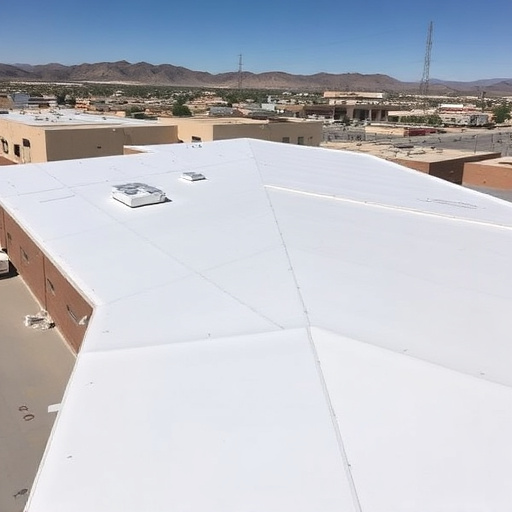
Roofing Around HVAC, Drains, and Parapet Walls: Commercial Flat Roof Guide
Read more →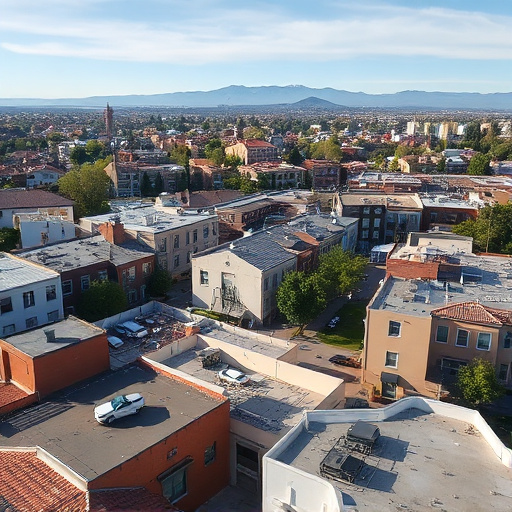
Guiding Warehouse Roof Repair Around HVAC, Drains, Walls
Read more →
Commercial Roofing Tucson: Expert Services for Top Protection
Commercial roofing Tucson requires tailored solutions for diverse building types and desert conditio.......
Read more →

Commercial Roofing Tucson: Choose Quality Experts for Your Project
Choosing a commercial roofing Tucson provider requires balancing cost, experience, quality, and serv.......
Read more →

Expert Commercial Roofing Tucson: Home Protection Specialists
Choosing a licensed commercial roofing Tucson specialist is crucial for home protection and value. V.......
Read more →

Expert Commercial Roofing Tucson: Navigating Arizona's Climate
Arizona's diverse climate presents unique challenges for commercial roofing Tucson professional.......
Read more →

Expert Commercial Roofing Tucson: Quality Replacements and Beyond
Commercial roofing Tucson faces unique challenges from intense sunlight, fluctuating temperatures, a.......
Read more →

Reliable Commercial Roofing Tucson: Protecting Your Investment
Commercial roofing Tucson demands expert solutions for extreme conditions, growth, and sustainabilit.......
Read more →
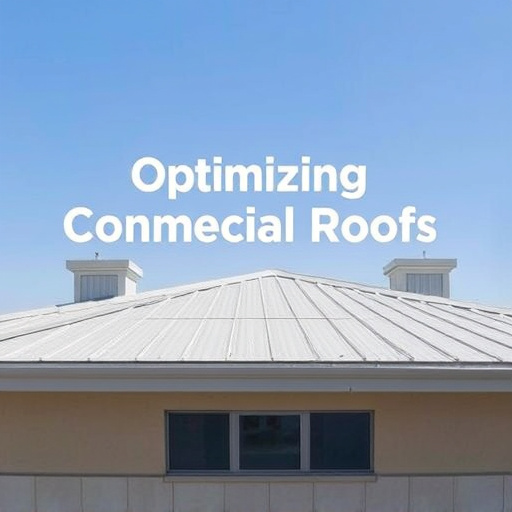
Optimizing Commercial Roofs: Tucson's Ventilation & Insulation Secrets
Commercial roofing Tucson naturally requires robust solutions to combat extreme sunlight and weather.......
Read more →